
Top 5 Mistakes People Make When Shipping to the Dominican Republic
Shipping internationally may look straightforward at first, but once a package leaves your hands, many things can affect how smoothly it arrives. Customs rules, packaging quality, delivery timelines, and total landed costs all play a role in whether a shipment reaches the Dominican Republic on time and in good condition. A small mistake can lead to delays, extra fees, or damage that could have been avoided with a little planning.
That is why it helps to understand the most common errors before sending anything abroad. Whether you are moving personal items, business goods, gifts, or freight, preparation matters. People often begin their search with terms like buy from us ship to dominican republic, cheap parcel to the Dominican Republic, send parcel to the Dominican Republic, or shipping cargo to the Dominican Republic, but the real success factor is not the search phrase. It is knowing how to ship correctly from the start.
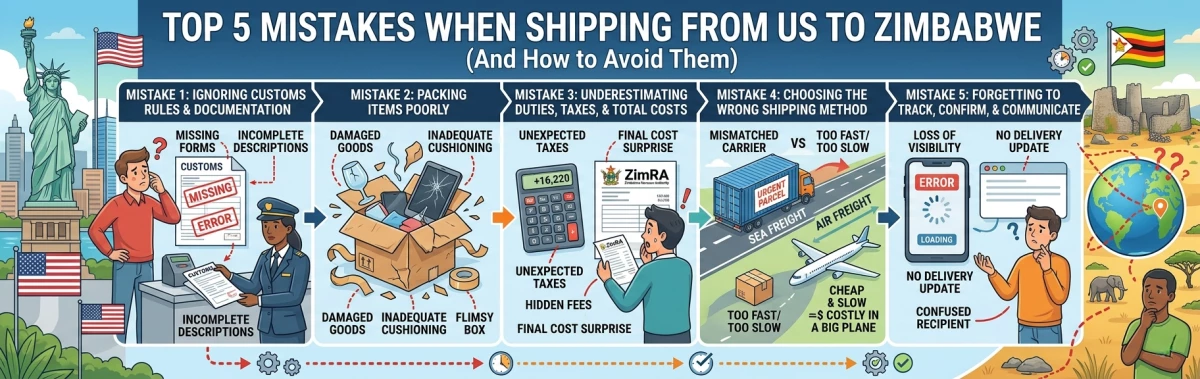
Mistake 1: Ignoring Customs Rules and Documentation
One of the most common mistakes is assuming that customs will clear every parcel automatically. International shipments are reviewed based on the documents provided, the nature of the contents, and the declared value. If the paperwork is incomplete or unclear, the package may be delayed or held for inspection.
Accurate documentation is essential. A shipment should include the sender and recipient details, a clear description of the contents, and an honest declared value. If the parcel is commercial, invoices and other supporting documents may also be necessary. Even personal shipments can face problems when the contents are described too broadly or incorrectly.
A label that simply says “miscellaneous items” or “gift” often does not give customs enough information to process the parcel smoothly. Officers need to know exactly what is inside, especially if the shipment contains electronics, clothing, cosmetics, food, or other regulated items. When the description does not match the actual contents, delays become much more likely.
The safest approach is to prepare every document carefully before the package is shipped. Clear and truthful paperwork reduces confusion and improves the chances of a smooth customs process.
Mistake 2: Packing Items Poorly
Another major error is weak packaging. Many people spend time comparing shipping prices but forget that the journey itself can be rough. Packages are sorted, moved, stacked, and handled several times before they reach their final destination. If the contents are not packed securely, damage can happen long before delivery.
Fragile items are especially vulnerable. Electronics, glass, ceramics, beauty products, and items with delicate surfaces need strong protection. A box that is too thin, too large, or not filled properly can allow movement inside the parcel. That movement often causes cracks, dents, or breakage.
Good packaging means selecting the right box, wrapping each item carefully, using cushioning material, and sealing everything securely. If the contents are heavy, valuable, or breakable, extra layers of protection may be needed. When sending multiple items in one box, each item should be separated so they do not collide during transit.
Well-packed parcels are easier to handle and much less likely to arrive damaged. This simple step can save time, money, and frustration later.
Mistake 3: Underestimating Duties, Taxes, and Total Costs
Many shippers focus only on the base shipping rate and ignore the rest of the expenses. That can create an unpleasant surprise once the parcel reaches the destination. International shipping often includes duties, taxes, handling fees, and other charges that are not always visible at the time of booking.
People searching for a cheap parcel to the dominican republic sometimes assume that the lowest shipping price is automatically the best deal. In reality, a low transport rate can turn into a higher final cost if duties or destination fees are added later. The quote may look attractive at first, but the total amount paid may be much higher than expected.
To avoid this mistake, it is important to look at the full landed cost. That means considering the shipping fee as well as any import charges that may apply. Some products are taxed differently depending on their category, quantity, or declared value. Commercial shipments may also face additional processing costs.
Planning for these charges ahead of time helps prevent surprises and makes budgeting easier. It also helps you decide whether to ship a parcel individually, combine several items, or choose a different service type.
Mistake 4: Choosing the Wrong Shipping Method for the Item
Not every shipment should be handled the same way. One of the most frequent mistakes is picking a shipping method without thinking about the size, weight, urgency, and type of item being sent. A small document package and a large freight shipment have very different needs.
Many people assume any service can handle any parcel, but that is not always true. A lightweight personal item may be suitable for standard parcel delivery, while larger goods may need cargo handling. Time-sensitive items may need faster transportation, and fragile products may require extra care throughout the process.
This problem often appears when someone wants to send parcel to the dominican republic and chooses the first available option without checking whether it is suitable. The wrong shipping method can lead to delays, rejected shipments, or higher charges. A parcel that exceeds size or weight limits may need to be rebooked under a different service. That creates extra cost and wastes time.
The best solution is to match the method to the shipment. Personal parcels, gifts, commercial stock, and larger cargo all need different levels of planning. When the shipping method fits the item, the whole process becomes more efficient.
Mistake 5: Forgetting to Track, Confirm, and Communicate
A parcel is not truly finished once it is dropped off. Another common mistake is failing to track the shipment or keep the recipient informed. International delivery works better when the sender stays engaged until the package arrives.
Tracking is important because it shows where the shipment is and whether it has passed important checkpoints. If a delay happens, tracking helps identify the issue early. That gives the sender a chance to respond instead of waiting for answers. Confirmation matters too. The recipient should know what is coming, when to expect it, and whether any documents or payments may be required upon arrival.
This becomes even more important for larger consignments, especially shipping cargo to dominican republic. Cargo shipments often involve more steps, and every step depends on coordination. If the receiver is not ready, the shipment may remain in storage longer than necessary. If the sender does not respond quickly to questions, processing may slow down.
Clear communication makes the entire experience smoother. Sharing the tracking number, estimated arrival window, and shipment details can help avoid misunderstandings and delivery problems.
Final Thoughts
Shipping to the Dominican Republic can be simple and efficient when you avoid these common mistakes. Accurate paperwork, strong packaging, realistic budgeting, the right shipping method, and good communication all make a major difference in the outcome of your shipment.
If you are looking for a reliable way to move packages or cargo internationally, visit Zion Shipping and explore the service options that can help simplify the process. With the right support, it becomes much easier to send goods with confidence and avoid the issues that slow shipments down.
Also Read: Shipping goods to Dominican Republic from the USA
FAQs
1. What is the biggest reason shipments get delayed when going to the Dominican Republic?
The most common reason is incomplete or inaccurate customs paperwork. If the documents do not clearly describe the contents or value, the parcel may be held for review.
2. How can I protect fragile items during international shipping?
Use strong boxes, wrap each item individually, add cushioning material, and make sure nothing moves inside the package during transit.
3. Why does shipping sometimes cost more than the quoted rate?
The final cost may include customs duties, taxes, handling charges, and other destination fees that are added after transport.
4. Can I use the same shipping method for all types of parcels?
No. Different items require different services based on weight, size, urgency, and fragility. A parcel and cargo shipment should not always be handled the same way.
5. What should I do after sending a parcel internationally?
Track the shipment regularly, keep the recipient updated, and stay available in case any customs or delivery questions arise.