Door-to-Door Shipping to Venezuela from Miami: Everything You Need to Know
Miami has long been the gateway between the United States and Latin America, and for thousands of families and businesses, it is the starting point for shipping to Venezuela from the USA, whether that means getting packages, barrels, or even full containers to loved ones and clients across the country. If you have ever typed "how do I send something home" into a search bar, chances are you have landed on a page full of confusing carrier names, customs jargon, and pricing tables that do not quite explain themselves. This guide breaks it all down in plain language, drawing on how the shipping process actually works from pickup in Miami to delivery at a doorstep in Caracas, Maracaibo, Valencia, or anywhere else in Venezuela.
Why Miami Is the Hub for Shipments to Venezuela
Miami is not just a convenient location on a map. It is home to one of the busiest logistics corridors in the country, with direct flight paths, established freight forwarding warehouses, and decades of experience moving goods to South America and the Caribbean. Because so many carriers, consolidators, and freight companies operate out of Miami, competition keeps rates relatively predictable and transit times shorter than routes originating elsewhere in the US.
For anyone researching shipping to Venezuela from Miami, this matters because it usually translates into more frequent departures, better tracking infrastructure, and more experienced customs brokers who understand Venezuelan import requirements. Warehouses near Miami International Airport and the Port of Miami are set up specifically to consolidate personal packages, commercial pallets, and vehicles bound for Venezuela, which keeps the process moving efficiently even when volumes are high around holidays.
What Does "Door to Door" Actually Mean?
Door-to-door shipping means exactly what it sounds like: your package is picked up (or dropped off) at an origin point in the US, and it is delivered directly to the recipient's address in Venezuela, without the recipient needing to visit a port, warehouse, or customs office to collect it themselves. This is different from port-to-port or airport-to-airport shipping, where the receiving party is responsible for picking up the shipment once it clears customs.
For most individuals and small businesses, door-to-door service is worth the added convenience because:
- You do not need a customs broker relationship on the receiving end
- The shipping company handles import documentation and duties coordination
- Delivery windows are more predictable
- There is a single point of contact if something goes wrong
Understanding this distinction is the first step before comparing prices, because a low quoted rate for port-to-port service is not truly comparable to a door-to-door quote once you factor in local pickup fees, storage charges, and the time recipients spend navigating customs on their own.
Shipping Methods Available From the US to Venezuela
There are generally three ways to move goods on this route, and each serves a different purpose depending on urgency, budget, and shipment size.
Express Courier and Air Freight
This is the fastest option, typically delivering within three to seven business days depending on the carrier and current customs conditions. It works well for documents, small parcels, electronics, and anything time-sensitive, such as medicine or urgent business inventory. Air freight rates are calculated by weight, and carriers like DHL, UPS, FedEx, and dedicated freight forwarders each have their own pricing tiers.
Ocean Freight and Container Shipping
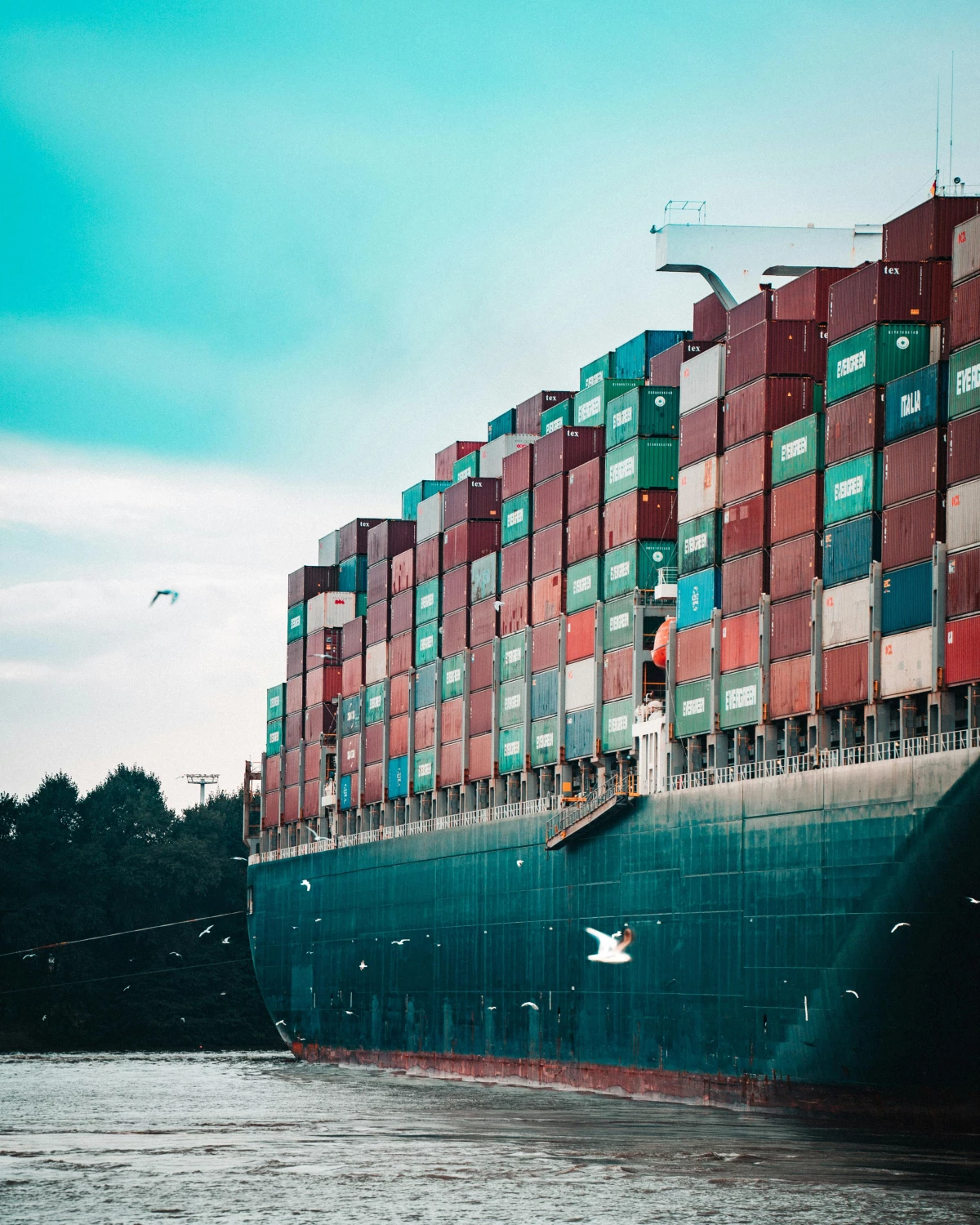
For larger shipments, furniture, vehicles, appliances, or bulk inventory for a business, ocean freight is almost always the more economical choice. Transit time is longer, generally six to eight weeks depending on port schedules and customs processing in Venezuela, but the cost per pound or per cubic foot drops significantly compared to air.
If you are relocating a household, restocking a store, or consolidating multiple family members' packages into one shipment, a shipping container to Venezuela is often the most practical solution. Containers can be shared with other shippers (less than container load, or LCL) to reduce costs, or booked exclusively (full container load, or FCL) for larger volumes. A freight forwarder experienced on this route can help determine which option makes financial sense for your specific cargo.
Barrel and Pallet Shipping
Very common for the Venezuelan diaspora community, barrel shipping allows families to fill a standard 55-gallon drum with household goods, food, clothing, and personal items, then ship it via ocean freight at a flat or near-flat rate. Pallet shipping works similarly for businesses moving boxed goods in bulk.
What Determines the Cost of Shipping to Venezuela
Pricing on this route depends on a combination of factors, and understanding them helps you avoid surprises when the final invoice arrives.
Weight and dimensions are the primary drivers for air and courier shipments. Most carriers use either actual weight or dimensional weight, whichever is greater, so a large but light box can sometimes cost more than a small dense one.
Shipping method matters just as much. Express courier service commands a premium for speed, while ocean freight trades time for savings.
Declared value affects duties and taxes owed on arrival, since Venezuelan customs calculates charges based on the value and category of goods being imported.
Destination within Venezuela can add time and cost, since deliveries to major cities like Caracas typically move faster and cheaper than shipments to more remote areas.
Customs documentation accuracy also plays a quiet but important role. Missing or incorrect commercial invoices and packing lists are among the most common causes of delay, and delays often carry storage fees.
As a general reference point, small parcels weighing under fifteen pounds often start around ninety dollars for standard express service, with rates increasing incrementally by weight beyond that threshold. Ocean freight and container rates are quoted differently, usually per cubic foot or as a flat barrel rate, so it is worth requesting a direct quote rather than relying on rough estimates.
Customs Requirements You Should Know Before Shipping
Every shipment heading into Venezuela passes through both US export screening and Venezuelan import customs. To keep things moving smoothly, most shipments require:
- A commercial invoice listing the contents and declared value
- A detailed packing list
- Accurate recipient information, including a valid Venezuelan address and phone number
- Compliance with restricted item lists, which commonly exclude narcotics, weapons, hazardous materials, and certain agricultural products
- Recipients are usually responsible for paying any applicable duties and taxes once the shipment arrives, so it is worth communicating this in advance so there are no surprises at delivery.
Tips for a Smooth Shipping Experience
Based on common patterns seen across thousands of shipments on this corridor, a few habits consistently reduce delays and costs:
1. Consolidate when possible. If you are sending multiple boxes, combining them into a single shipment or barrel often reduces the overall cost compared to shipping separately.
2. Double-check the recipient's address and phone number. Delivery attempts in Venezuela can be affected by incomplete address details more than in the US, so accuracy here saves real time.
3. Declare accurate values. Under-declaring value to reduce duties can lead to shipment holds or penalties, which end up costing more than the duties themselves.
4. Choose your method based on urgency, not just price. A slightly higher upfront cost for air freight can be worth it if the ocean freight timeline does not fit your needs.
5. Track proactively. Most reliable carriers offer real-time tracking, so checking status regularly helps you catch and resolve issues before they become bigger problems.
Why Working With an Experienced Freight Partner Matters
Anyone who has coordinated ship to Venezuela logistics for the first time knows that the process involves more moving parts than a typical domestic shipment. Currency fluctuations, evolving customs regulations, and inconsistent local infrastructure in parts of Venezuela mean that a freight partner with established relationships and route-specific experience can make a measurable difference in reliability. Companies that specialize in this corridor tend to have pre-negotiated rates with multiple carriers, dedicated customer support familiar with Venezuelan customs nuances, and consolidation warehouses that keep costs down for smaller shipments.
Conclusion
Getting a package, barrel, or container from the United States to Venezuela does not have to be complicated once you understand how the process works. Whether you are sending a small gift to family, restocking a business, or relocating household goods, choosing the right shipping method and working with an experienced partner in Miami makes all the difference in cost, speed, and peace of mind.
Zion Shipping specializes in reliable, competitively priced door-to-door delivery from the US to Venezuela, with options ranging from express courier service to ocean freight and container shipping. Get an instant quote today and let our team handle the logistics while you focus on what matters most: getting your shipment where it needs to go.
Also Read: 12 Common Questions About Shipping from the US to Venezuela, Answered
Frequently Asked Questions
Q1. How long does door-to-door shipping from Miami to Venezuela take?
Express courier and air freight shipments typically arrive within three to seven business days, while ocean freight and container shipments generally take six to eight weeks depending on port schedules and customs processing.
Q2. Is it cheaper to ship from Miami than other US cities?
Often, yes. Miami's high shipment volume and established logistics infrastructure tend to result in more competitive rates and more frequent departures compared to less specialized routes.
Q3. Do I need to be present in Venezuela to receive a door-to-door shipment?
In most cases, someone needs to be available to receive the package and, depending on the shipment, sign for it or provide identification, since certain deliveries require confirmation upon arrival.
Q4. What items are restricted when shipping to Venezuela?
Commonly restricted items include narcotics, weapons, hazardous materials, and certain agricultural products. It is best to confirm the current restricted list with your carrier before shipping.
Q5. How is the cost of a container shipment calculated?
Container shipments are typically priced based on cubic footage or whether you are booking a shared (LCL) or full exclusive (FCL) container, along with the weight and nature of the goods being transported.