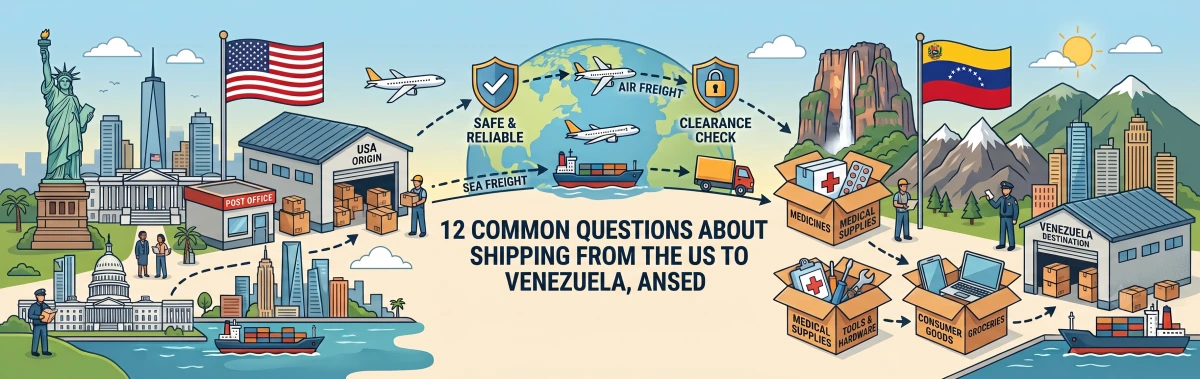
12 Common Questions About Shipping from the US to Venezuela, Answered
Sending goods overseas can feel overwhelming, especially when the destination country has its own set of rules, restrictions, and logistics quirks. Venezuela is one of those places where a little preparation goes a long way. Whether you are a business owner sending inventory, an individual mailing a gift to family, or someone coordinating a shipment to Venezuela for the first time, you probably have a long list of questions before you commit to a carrier.
This guide answers the twelve questions we hear most often from customers preparing to ship goods internationally. By the end, you should have a much clearer picture of what to expect, how to plan around delays, and how to keep your package moving smoothly from the US all the way to its final destination.
1. How Long Does Shipping to Venezuela Usually Take
Transit times vary depending on the shipping method you choose. Air freight is generally the fastest option and typically arrives within one to two weeks once it clears customs. Ocean freight takes considerably longer, often four to eight weeks depending on port congestion, vessel schedules, and how quickly documentation is processed on arrival. Courier services sit somewhere in the middle, though delivery speed depends heavily on the specific provider and the region within Venezuela the package is headed to.
2. What Documents Do I Need to Ship to Venezuela
At minimum, you will need a commercial invoice, a packing list, and a bill of lading or air waybill depending on the mode of transport. For commercial shipments, a certificate of origin and import permits may also be required depending on the type of goods. Personal shipments usually require less paperwork, but customs officials can still request an itemized list of contents and their declared value. Having accurate, complete documentation from the start is one of the easiest ways to avoid delays.
3. Are There Restrictions on What I Can Ship
Yes. Certain categories of goods face restrictions or require special permits, including electronics, medical supplies, and anything considered a controlled or regulated item. Because of the broader sanctions environment affecting the country, it is worth double-checking current regulations before sending high-value goods, oil-related equipment, or anything tied to government entities. When in doubt, a quick conversation with your freight forwarder can save you from a shipment getting held at customs.
4. What Is the Best Way to Send a Package from Miami
Miami has long served as a major gateway for shipments heading to Latin America and the Caribbean, which makes shipping to Venezuela from Miami a common and often more efficient route compared to shipping from other US cities. Many freight forwarders consolidate shipments through Miami because of its proximity and established shipping lanes, which can translate into more frequent departures and, in some cases, lower costs.
5. How Much Does It Cost to Ship to Venezuela
Cost depends on weight, volume, shipping method, and the type of goods being sent. Air freight tends to be priced by weight and is usually the more expensive option for larger shipments. Ocean freight is generally more economical for bulk goods but comes with longer wait times. Additional fees to factor in include customs clearance, handling charges, and any applicable duties or taxes once the shipment reaches Venezuela.
6. Can I Track My Shipment Once It Leaves the US
Most reputable carriers and freight forwarders provide tracking numbers so you can monitor your shipment status in real time. That said, visibility can sometimes become limited once the package enters Venezuelan customs, since local processing systems are not always integrated with international tracking platforms. If tracking updates stall for a period of time, this is not necessarily a cause for alarm, though it is worth following up with your provider for a status check.
7. What Happens If My Package Gets Held at Customs
Customs holds usually happen due to missing paperwork, undervalued declarations, or restricted item classifications. If this happens, your freight forwarder or customs broker will typically reach out with instructions on what additional information or documents are needed. Responding quickly is the best way to minimize delays, since unresolved holds can result in storage fees or, in some cases, the shipment being returned.
8. Is Parcel Delivery Different from Freight Shipping
Yes, and the distinction matters when planning your shipment. Parcel delivery to Venezuela generally refers to smaller packages sent through courier networks, similar to how you might mail a package domestically. Freight shipping, on the other hand, is designed for larger volumes, whether that is a pallet, a partial container, or a full container load. Parcel delivery is usually simpler and faster for small personal shipments, while freight is more cost-effective for bulk or commercial orders.
9. Do I Need a Customs Broker in Venezuela
While not always legally required, working with a customs broker is highly recommended, particularly for commercial shipments or anything involving higher-value goods. A broker familiar with local regulations can help classify goods correctly, calculate duties, and navigate any permit requirements, which reduces the likelihood of delays or unexpected fees once your shipment arrives.
10. What Items Are Commonly Prohibited
Prohibited or heavily restricted items often include firearms, certain chemicals, counterfeit goods, and specific electronics that require prior authorization. Perishable goods and pharmaceuticals may also face additional scrutiny or require special certification. Because regulations can shift, it is always worth confirming the current list of restricted items with your carrier before finalizing your shipment.
11. How Do I Calculate Duties and Taxes
Duties and taxes are typically calculated based on the declared value of the goods, their classification under the harmonized tariff system, and the applicable rate for that category. Some goods, particularly those considered essential or humanitarian in nature, may qualify for reduced rates or exemptions. Your customs broker or freight forwarder can usually provide an estimate before you ship, which helps avoid surprises on the receiving end.
12. Which Shipping Method Is Best for Small Businesses
For small businesses sending regular shipments, a combination approach often works best. Air freight or courier services make sense for urgent or smaller orders, while ocean freight becomes more economical once shipment volume grows. Many businesses start with air or parcel services and transition to freight consolidation as their shipping needs scale up, since this approach balances speed with cost efficiency over time.
Conclusion
Shipping from the US to Venezuela does not have to be complicated once you understand the documentation, cost structures, and timelines involved. The key is working with a partner who understands the route, stays current on regulatory changes, and can guide you through customs without unnecessary delays.
If you are ready to send a package, pallet, or full container to Venezuela, Zion Shipping is here to help. Our team handles the documentation, customs coordination, and carrier selection so your shipment arrives smoothly and on time. Reach out to Zion Shipping today for a personalized quote and let us take the guesswork out of your next shipment.
Also Read: What Is the Best Way to Ship from the US to Venezuela?
FAQs
1. Does Zion Shipping handle both personal and commercial shipments to Venezuela?
Yes, Zion Shipping supports both personal parcels and larger commercial freight shipments, with guidance tailored to each type of shipment.
2. How far in advance should I book my shipment?
It is best to book at least two to three weeks in advance for ocean freight and about one week ahead for air freight or courier options, especially during busier shipping periods.
3. Can I insure my shipment?
Yes, shipping insurance is available and recommended, particularly for higher value goods or commercial shipments where the cost of loss or damage could be high.
4. What payment methods are accepted for shipping services?
Most freight forwarders, including Zion Shipping, accept major credit cards, bank transfers, and in some cases online payment platforms, though it is best to confirm accepted methods directly with your provider.
5. Who do I contact if my shipment is delayed?
Your assigned freight forwarder or account representative should be your first point of contact for any delays, since they can check status directly with the carrier and customs authorities on your behalf.