Top Tips for Choosing the Best Carriers to Ship from US to Liberia
Choosing the right carrier saves time and money. The wrong choice adds cost, delay, and stress. This guide gives clear tips to help you pick a carrier that fits your cargo, budget, and schedule when you buy and ship from US to Liberia. Use these tips to compare options and make a confident choice.
Why the carrier choice matters
A carrier does more than move boxes. The carrier sets transit time, handles paperwork, and manages local delivery. Some carriers use direct routes and partner with trusted Liberia freight forwarders. Other carriers move freight through many hands. Each hand adds risk and cost. The right carrier can lower fees, cut transit time, and offer real support if a package needs help.
Tip 1: Choose the right shipping mode for your cargo
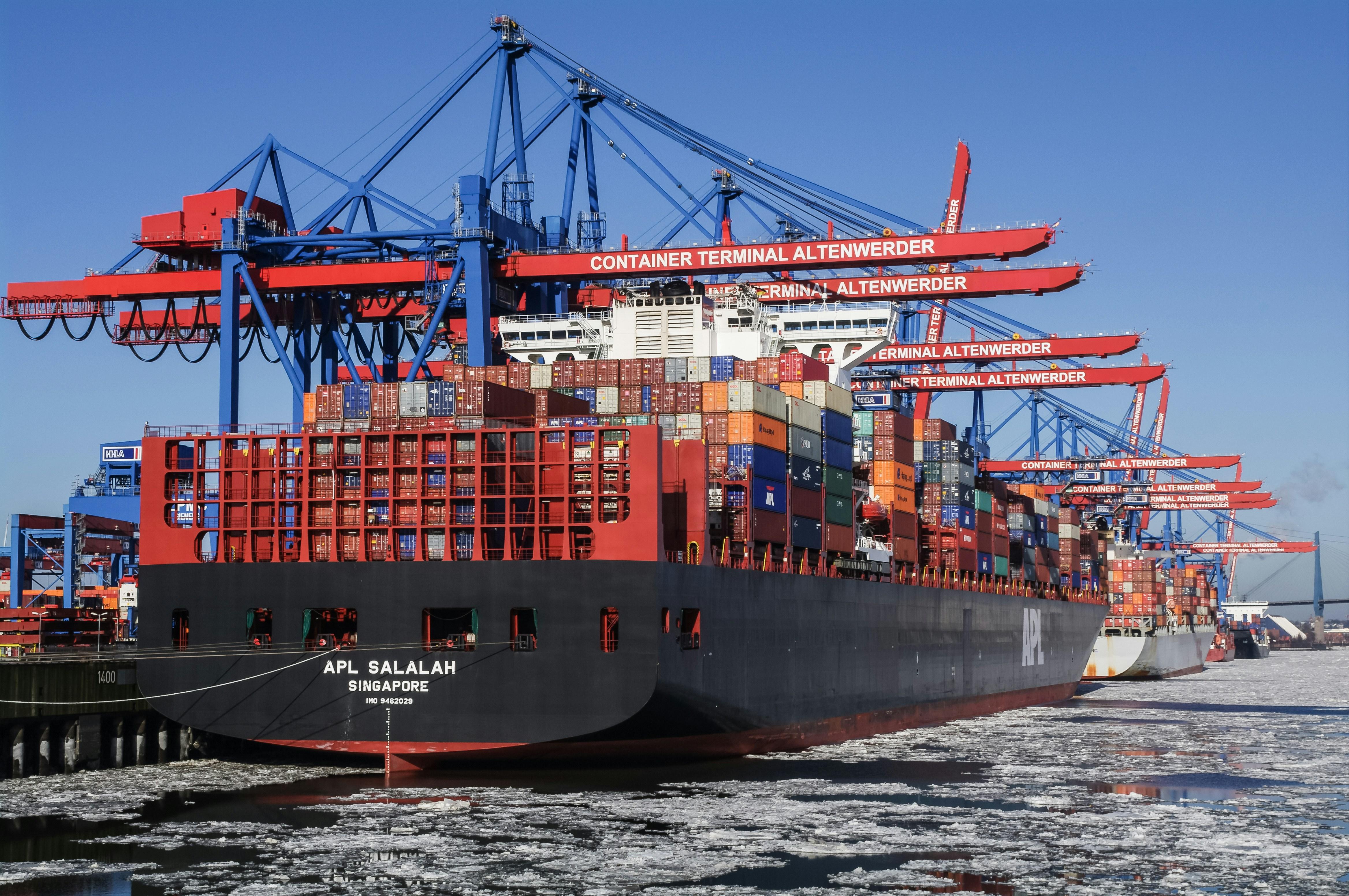
Start by matching the mode to the cargo. Use parcel services for small, light items. Use air freight for urgent, medium-sized shipments. Use ocean freight to Liberia for large, heavy, or many boxes. Ocean freight costs less per volume and fits furniture, pallets, and bulk orders. Air freight costs more per pound but cuts days off transit. Pick the mode that matches value, weight, and how fast you need delivery.
Tip 2: Compare full landed cost, not just the headline rate
A low rate can hide many fees. Ask for a full landed cost that shows base rate, fuel surcharge, handling, customs fees, local delivery, and any storage charges. Insurance and documentation fees can add up. Have the carrier list all fees in writing. Compare final totals rather than single line prices. A clear total helps you choose the true low-cost option.
Tip 3: Check carrier coverage and local partners in Liberia
A carrier with strong local partners reduces handling and delay. Some carriers work with vetted Liberia freight forwarders who handle customs and local pickup. Ask the carrier who handles delivery at the destination. Confirm that the local partner can clear customs and deliver in your area. A direct service or a single trusted partner cuts the chance of a lost or damaged shipment.
Tip 4: Review transit time and schedule reliability
Transit time varies by route and season. Look for published transit ranges and ask how often sailings or flights run on your route. Peak seasons can add days in port or on the tarmac. Some carriers publish average delays and on time performance. Use that data. If you need a firm date, choose a service with guaranteed delivery windows. For less urgent loads, choose a cheaper option with a wider transit window.
Tip 5: Confirm customs support and required documents
Simple paperwork mistakes cause holds and extra fees. Ask the carrier if they offer customs brokerage or document review. Typical paperwork includes the commercial invoice, packing list, and the bill of lading or air waybill. Some goods need permits. Items such as batteries and large electronics often require special handling. A carrier that helps with documents reduces clearance time and avoids fines.
Tip 6: Evaluate tracking, customer support and claims handling
Tracking matters for planning and peace of mind. Choose a carrier that offers clear tracking from origin to final delivery and a point of contact for questions. Test support by asking a question before you book. Good carriers reply with details and options. If a claim is needed, ask about the claim process and timeline. Fast support and a clear claims path reduce the stress if a shipment is lost or damaged.
Tip 7: Look for consolidation and repacking services to save money
Consolidation can cut cost for many small purchases. A carrier or forwarder can receive multiple parcels, repack them in a single box, and ship them as one load. Repacking removes extra filler and lowers dimensional weight. Before you consolidate, ask for an estimated saving. Compare the forwarding fee plus the consolidated shipping fee to separate parcel rates. In many cases the total cost per item drops.
Also Read: The Cheapest Ways to Ship Internationally from the US in 2025
Tip 8: Compare insurance and liability options
Liability from the carrier is not the same as cargo insurance. Carriers often limit liability by weight or value. For high value goods consider full cargo insurance that covers the actual selling price. For low value items basic carrier liability may suffice. Ask about deductibles and the claim payout process. Balance the insurance cost against the value of the goods and the risk of loss or damage.
Tip 9: Read recent reviews and check for red flags
Look for recent customer feedback and case studies for the same route. Focus on delivery reliability, claim handling, and fee transparency. A few complaints are normal. Repeated themes such as hidden charges or slow support are red flags. Also, check whether the carrier lists their terms and conditions clearly. A lack of clear terms often means more surprises later.
Tip 10: Negotiate for volume discounts and set up an account for frequent shipping
If you ship with some regularity, ask about business accounts and volume discounts. Carriers can offer prepaid plans, flat rate options, and priority booking for repeat customers. Even a small recurring volume can unlock better rates. Ask for a trial period or a short-term rate guarantee to test service and value before committing.
How to compare quotes side by side
Ask each carrier for a written quote that includes every fee. Use the same shipment details for each quote. Compare transit time, total landed cost, pickup and delivery options, tracking, insurance, and any surcharges. If possible create a simple table with columns for each carrier and rows for the key items. This comparison shows which carrier offers the best mix of price and service for your specific load.
Quick checklist before you book a carrier
Confirm the address format in Liberia and include unit numbers or local delivery notes. Verify whether the quote covers door-to-door delivery or door to port only. Ask who pays customs duties and taxes and how they will bill you. Confirm transit windows and tracking steps. Check insurance limits and the claims process. Get the final total in writing before you pay.
Practical example
You have three small purchases from different US stores. Each store charges a separate parcel shipping fee. You can send the items to a single US address at a forwarding partner. The forwarder can combine the items into one box. The combined box often ships for less than three separate parcels. The forwarder charges a consolidation fee. Add that fee and compare the final total to the three parcel fees. In many cases, you will pay less and avoid multiple handling charges.
Conclusion and next steps
Choosing the best carrier affects cost, timing, and risk. Match the shipping mode to the cargo and compare full landed cost. Check local partnerships in Liberia and confirm customs support. Test tracking and customer support before you book. For frequent shipping, negotiate volume discounts and set up a business account.
Get a free quote from Zion Shipping for shipments to Liberia now. Enter your package details to compare air, sea, and parcel options and pick the best route for your shipment.
Also Read: 5 Budget-Friendly Tips to Buy and Ship to Canada
FAQs
Q1: Which mode is cheaper for heavy loads air or ocean freight to Liberia?
Ocean freight to Liberia costs less per volume for heavy and bulky loads. Use ocean options for furniture and palletized cargo. Choose air when speed matters more than cost.
Q2: How do I find reliable Liberia freight forwarders?
Look for forwarders with clear pricing, local partners in Liberia, and good reviews. Ask for references for similar routes and for details on customs handling.
Q3: What documents do I need to ship to Liberia?
You typically need a commercial invoice, a packing list, and a bill of lading or air waybill. Some goods need permits or special labels. Ask your carrier to review the documents before shipment.
Q4: Can consolidation really save money?
Yes. Consolidation reduces the number of parcels and cuts handling fees. Compare the forwarding fee and the consolidated shipping rate to the cost of separate shipments.
Q5: How do I avoid surprise fees?
Ask for a full landed cost quote. Confirm whether the quote includes fuel surcharges, handling fees, customs fees and local delivery charges. Get the total in writing before you pay.