Shipping from Miami to Haiti: Barrel, Box, and Cargo Shipping Guide
Every year, thousands of families, small businesses, and churches send goods from South Florida to loved ones and communities across Haiti. If you are planning shipping to Haiti from Miami, you have probably noticed that there is more than one way to do it. You can fill a barrel, pack boxes, or book space for larger cargo. Each option has its own price structure, packing rules, and timeline.
This guide explains how each method works, who it suits best, and how to avoid the delays that frustrate so many first-time senders by the end, you will know which option fits your items, your budget, and your schedule.
Why Miami Is the Main Gateway to Haiti
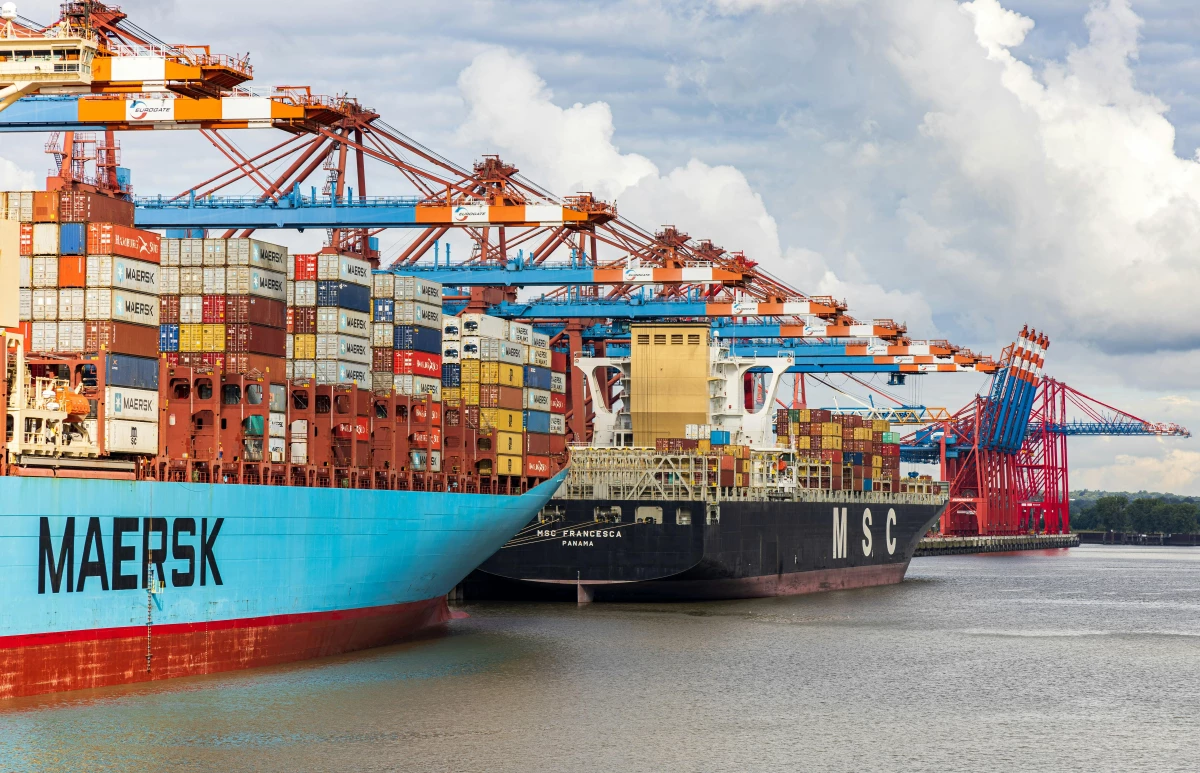
Miami is the busiest departure point for ocean freight heading to the Caribbean. Weekly sailings connect Port of Miami and nearby terminals with Port-au-Prince and Cap Haitien, the two main entry points in Haiti. Many Haitian American households live in Miami, Fort Lauderdale, and Broward County, so a large network of drop-off centers, pickup drivers, and consolidators has grown around this trade.
That network gives you competitive rates and frequent departures. It also means you can compare several providers before committing, which is worth doing because service quality varies widely.
Barrel Shipping: The Classic Choice
Barrels are the most recognized way to send goods to Haiti. A standard plastic or steel drum holds roughly 55 gallons and is ideal for household items, clothing, shoes, canned food, toiletries, and school supplies.
Why do so many people choose barrels?
-
They are sturdy and stackable, so they handle ocean transport well.
-
They can be sealed with a locking ring, which discourages tampering.
-
Pricing is usually a flat rate per barrel, which makes budgeting simple.
-
They keep small items together, so nothing gets lost in a larger shipment.
Barrel packing tips: Put heavier items at the bottom and soft items such as clothing on top. Fill empty spaces with socks, towels, or sheets so contents do not shift. Wrap liquids and glass in plastic bags and padding. Keep a written inventory of everything inside, because customs may ask for it and you will need it if a claim arises.
Box Shipping: Flexible and Budget-Friendly
Not everything fits neatly into a barrel. Boxes are a good option for electronics, small appliances, books, medical supplies, gifts, and fragile goods. Most providers charge by size, weight or both, and many offer standard box sizes at fixed rates.
Boxes work best when you have a smaller load, a one-time gift, or items that need extra protection. Use new, double-walled corrugated boxes, seal every seam with strong packing tape, and add corner protection for fragile pieces. Label each box clearly with the receiver's full name, phone number, and delivery address in Haiti. A clear label on two sides of the box reduces the risk of misrouting.
One caution: boxes are more exposed to rough handling than barrels, so overpacking with cushioning is better than underpacking.
Cargo and Container Shipping: For Larger Loads
When you are moving furniture, appliances, building materials, vehicles, generators or commercial inventory, cargo shipping is the most practical choice. There are two main approaches:
-
Shared container (LCL): You pay for the space your goods occupy inside a container shared with other customers. This is cost-effective for mid-sized loads.
-
Full container (FCL): You rent an entire 20-foot or 40-foot container. This gives you more control, faster loading, and less handling, and it usually works out cheaper per cubic foot for large volumes.
Businesses that import goods for resale, nonprofit groups sending relief supplies, and families relocating to Haiti often prefer this route. Because cargo shipments are larger and more valuable, accurate paperwork and insurance matter even more.
Barrel vs Box vs Cargo: Quick Comparison
Items You Can and Cannot Send
Rules change, so always confirm current regulations with your provider before packing. In general, you can send clothing, shoes, non-perishable food, hygiene products, school supplies, tools, and most household goods. Items that are restricted or prohibited often include firearms, ammunition, explosives, illegal drugs, flammable liquids, aerosols in large quantities, and certain used items or electronics subject to duty rules. Perishable foods and cash should never be packed into a shipment.
Sending prohibited goods can lead to confiscation, fines, and long delays for the entire shipment, so it is better to ask before you pack.
Customs and Documentation in Haiti
Every shipment entering Haiti passes through customs. Duties and fees are based on the type, value and quantity of the goods. Barrels with used personal items are often treated differently from boxes of new goods or commercial cargo, which is why an accurate inventory matters so much.
Typically you will need:
-
A completed shipping form with sender and receiver details
-
A detailed packing list or inventory
-
A valid identification document for the sender
-
Receipts or invoices for new or high-value items
-
Contact details for the receiver, who may need to present ID when collecting
Receivers should be ready to pay port fees and any applicable duties on arrival. Telling them in advance avoids stress and storage charges at the port.
How Long Does It Take and What Affects the Price?
Ocean shipments from Miami generally take about one to three weeks to reach port, with delivery to inland towns taking longer. Timing depends on vessel schedules, weather, port congestion, and customs clearance.
Your final price is influenced by several factors:
-
Size, weight and number of items
-
Whether you choose port pickup or delivery to a home address
-
Insurance coverage
-
Seasonal demand, especially around Christmas, Easter, and back-to-school periods
-
Fuel costs and port fees
Booking early and consolidating items into fewer containers often reduces your cost. Ask for a written quote that lists every fee, so there are no surprises.
How to Choose a Reliable Provider
The provider you pick matters as much as how you pack. Search for a trusted shipping company to Haiti that is licensed, transparent about pricing, and experienced with Haitian customs. Ask about tracking, insurance options, delivery coverage, and what happens if goods are damaged or delayed. Read recent customer reviews, and be cautious about unusually low prices that hide extra charges later.
If you prefer a face-to-face experience, searching for shipping to Haiti near me can help you find a local office where you can drop off your barrels, ask questions, and confirm paperwork in person. Many reliable providers also offer free pickup across Miami-Dade and Broward counties, which saves you from hauling heavy barrels yourself.
Packing Checklist Before You Ship
-
Choose the right container for your items: barrel, box or cargo space.
-
Create a detailed inventory with item descriptions and approximate values.
-
Remove anything restricted or prohibited.
-
Pad fragile goods and fill every gap.
-
Seal and label clearly with sender and receiver details.
-
Take photos of packed items for your records.
-
Keep your receipt and tracking details in a safe place.
-
Let the receiver know the expected arrival window and any fees they may need to cover.
Final Thoughts
Whether you are sending a single barrel of clothes to relatives or a container of goods for your business, careful planning makes the difference between a smooth delivery and a stressful one. Choose the method that fits your items, document everything, and work with a provider that communicates clearly from pickup to delivery. For families and businesses comparing options for shipping to Haiti, the right partner takes the guesswork out of the entire process.
Ready to send your shipment? Zion Shipping makes it simple. Get a free quote today, schedule your pickup in Miami, and ship your barrels, boxes, or cargo with a team that treats your goods like its own. Contact Zion Shipping now to book your space on the next sailing and give your loved ones the support they deserve.
Also Read: How to Ship to Haiti from Major US Cities: Your Step-by-Step Local Guide
Frequently Asked Questions
1. How much does it cost to send a barrel from Miami to Haiti?
Most providers charge a flat rate per barrel, and the price varies by season, delivery option, and provider. Ask for a written quote that includes pickup, port fees, and delivery so you can compare accurately.
2. How long does a shipment from Miami take to reach Haiti?
Ocean freight usually takes one to three weeks to reach the port. Customs clearance and delivery to towns outside the main port cities can add extra days.
3. Can I ship electronics and appliances in a barrel or box?
Yes, in many cases, but they may be subject to duties and special inspection. Pack them in original boxes with padding, list them on your inventory, and confirm current rules with your provider.
4. Do I need to be present when my shipment is delivered?
You do not need to be in Haiti, but the receiver must be reachable and ready to show ID and pay any port fees or duties. Share their correct phone number and address when booking.
5. Is my shipment insured against loss or damage?
Basic coverage is often limited, so ask about additional insurance, especially for valuable or fragile goods. Keep your inventory, receipts, and photos to support any claim.