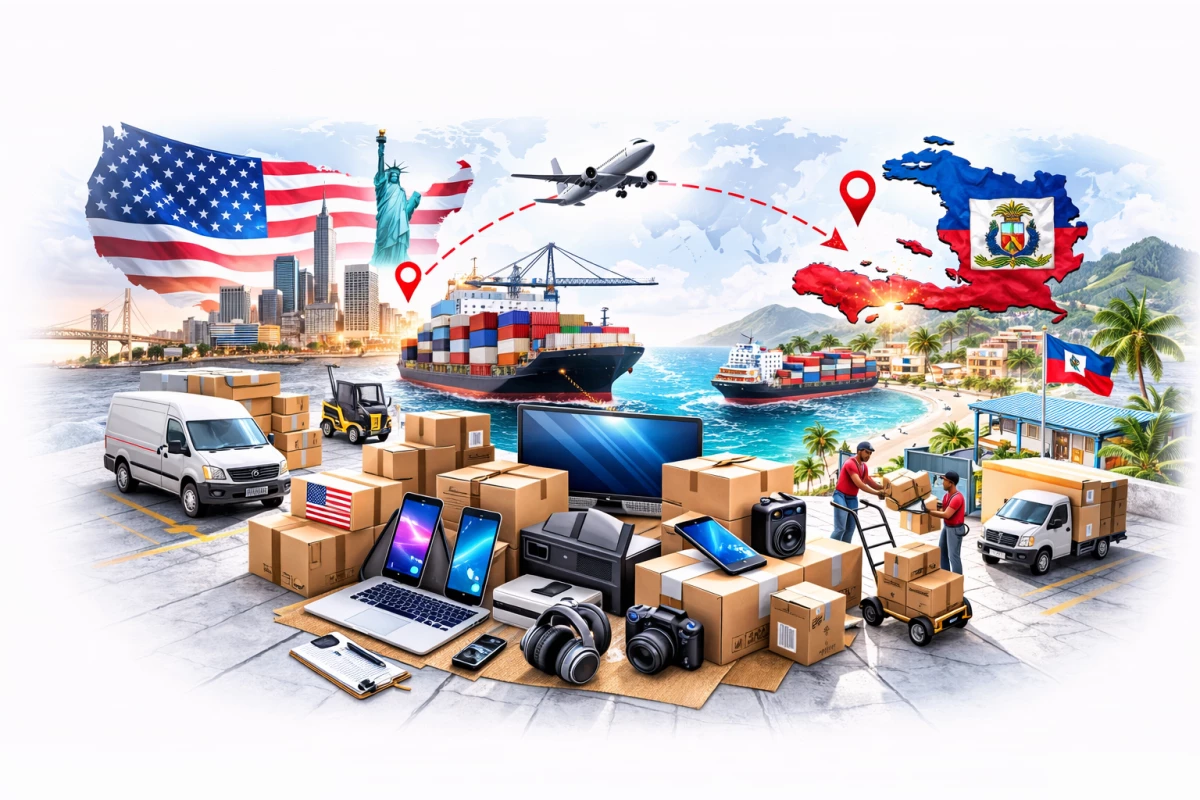
Shipping Electronics from the USA to Haiti
Start With The Product: Classification, Batteries, And Firmware
The first step is to treat each electronic item like a unique shipment. Know exactly what you are sending: model names, serial numbers, IMEI (for phones), and the battery type (lithium-ion, lithium metal, or non-rechargeable). Batteries are the most heavily regulated part of electronics shipping. Some devices require batteries to be removed and packed separately; others can ship with internal batteries if packaged and labeled correctly. Equally important is whether any device contains restricted materials, proprietary software that could complicate import, or items that require special permits. Make a short inventory that lists item descriptions, values, and battery details; this makes packing, insurance, and customs paperwork far simpler.
Packaging For Electronics: Protection Is Your Top Priority
Proper packaging is not optional when shipping fragile electronics. Use a sturdy outer box and inner protective layers that absorb shock. Wrap devices individually in anti-static bubble wrap or foam and, when shipping multiple items in a single carton, ensure they cannot shift during transit. Add corner protectors and place smaller components in separate sealed bags to prevent scratches. For high-value items, double-boxing is a smart choice: place the wrapped device in a snug inner box, then put that box inside a larger outer box with an extra 2–3 inches of cushioning on every side. Seal all seams with strong tape and reinforce edges. Clearly mark the package with orientation arrows and “Fragile” labels—proper handling reduces the chance of damage during loading and unloading.
Labeling, Documentation, And Customs Forms
Accurate documentation is where many international shipments stumble. For electronics going to Haiti, complete commercial invoices, packing lists, and any export declarations required by U.S. authorities. The commercial invoice must include an accurate description of each item, its country of manufacture, Harmonized System (HS) code, quantity, unit value, and total value. HS codes determine duties and whether special permits apply; if you’re unsure, a freight forwarder or customs broker can help identify the correct codes. For used electronics, state the condition clearly and include the original purchase date if available. Missing or incorrect paperwork can lead to delays, fines, or returned shipments.
Choose The Right Shipping Method And Carrier
Decide whether air freight or ocean freight best meets your needs. Air freight is faster and usually preferred for small, valuable electronics because it reduces in-transit risk and shortens delivery time. Ocean freight is more economical for large volumes but adds time and handling steps. In either case, select a carrier experienced with shipments to Haiti; they’ll know local ports, typical transit times, and which customs procedures apply. If you need final-mile convenience, evaluate door-to-door services so recipients face minimal customs hassle at arrival. For businesses that ship often, establishing an account with a logistics provider that has a reliable Haiti route will simplify pricing and tracking. If you are searching for shipping to Haiti near me, choosing a provider with proven international experience is essential.
Miami Hub Advantages And Coastal Routing
When shipping electronics from the U.S. to Haiti, Miami is often a central dispatch point. Its proximity to Haiti, frequent sailings, and abundant air connections make it a logical hub for consolidating cargo. Shipments routed through Miami can move quickly by sea or air, and many carriers maintain established schedules from that city to Haitian ports and airports. If you are specifically planning shipping to Haiti from Miami, you benefit from faster transit times and better connectivity. If your shipment is being consolidated with other cargo, verify transit timelines and handling procedures at the Miami hub to reduce extra dwell time that can add cost and increase risk.
Customs Clearance In Haiti: Duties, Taxes, And Paperwork Expectations
Haitian customs require transparent documentation and accurate valuation. Duties and taxes apply based on item classification and assessable value; in some cases, exemptions or preferential rates might apply for certain importers or goods, but those are the exception rather than the rule. Be prepared for inspections, possible sampling, and requests for additional paperwork such as certificates of origin or technical specifications. Hiring a local customs broker in Haiti can dramatically streamline clearance. Brokers communicate with local authorities, arrange necessary inspections, and calculate duties, so you avoid surprise charges when the shipment arrives.
Lithium Batteries And Air Transport Restrictions
If your electronics include lithium batteries, you must follow strict air transport rules. There are limits on battery watt-hour ratings for air shipments and specific packaging and labeling requirements. Some batteries may be prohibited on passenger aircraft and can only be shipped on cargo aircraft with additional paperwork and packaging standards. If batteries are installed within devices, documentation must clearly state that, and a carrier-approved method of packaging is required. For shipments with spare batteries, you may need to use a specialized battery shipper or route the goods by sea where lithium battery rules differ. Always declare battery types and quantities on your paperwork to comply with international dangerous-goods regulations.
Insurance, Declared Value, And Loss Protection
Electronics are high-value and tempting for theft or vulnerable to transit damage. Add cargo insurance or increase the declared value when you purchase shipping services. Insurance options vary: some offer all-risk coverage while others exclude certain causes of loss. Understand deductibles and coverage limits before you ship. If you are a small seller, consider item-level insurance that reimburses replacement cost rather than depreciation. Keep all packing photos and records; in the event of a claim, these materials will be necessary.
Local Delivery And Last-Mile Considerations In Haiti
Final-mile delivery in Haiti can be unpredictable depending on the destination. Urban centers like Port-au-Prince have more robust delivery networks, while rural areas may require pickup at a depot or coordination with local couriers. Verify whether the recipient can clear customs themselves or wants the shipper to handle clearance and delivery. Door-to-door services are more expensive but relieve the receiver from dealing with paperwork and port procedures. Plan for potential local fees, storage charges if clearance is delayed, and ensure recipients provide correct and complete addresses with local contact numbers to reduce failed delivery attempts. If you are comparing options like cargo shipping to haiti near me, consider providers offering reliable last-mile support.
Cost Drivers And How To Manage Them
Several factors influence the final shipping cost: package weight and dimensions, declared value, chosen speed of service, fuel surcharges, handling fees for batteries or hazardous materials, and import duties. Use cubic measurement to avoid surprises—electronics are often small but dense, and dimensional weight pricing can raise air freight costs. Consolidating shipments, negotiating volume discounts, and choosing a slower but cheaper service are ways to manage costs. Always ask carriers for a detailed quote that breaks down base freight, surcharges, customs brokerage, and delivery fees so you can compare offers effectively. Businesses dealing with electronic shipping to haiti should always evaluate cost versus reliability.
Tracking And Communication: Keep Recipients Informed
Provide the recipient with tracking numbers and clear expectations about delivery timelines. Use carriers that offer real-time status updates and proof-of-delivery so you can resolve issues quickly. If a customs hold occurs, a proactive carrier or broker will notify you and advise on required steps to release the goods. For businesses, integrating shipment tracking into order management systems improves customer experience and reduces support calls.
Practical Tips For Exporters And Sellers
Document the serial numbers of expensive electronics, keep transaction records for warranties, and retain copies of commercial invoices for at least a year in case customs questions arise. Consider factory reset procedures and data security: clear personal data from devices before shipping and include instructions for activation or warranty registration in the box. For retail sellers, plan a returns pathway that accounts for cross-border repairs or replacements to avoid costly back-and-forth shipping.
Sustainability And Responsible Disposal
If you ship used or refurbished electronics, be mindful of hazardous components and local disposal rules. Haiti, like many countries, has limited electronic-waste processing capacity. Work with partners who advise recipients on end-of-life disposal or offer take-back programs to reduce environmental impact and potential legal liabilities.
Final Thoughts: Plan, Document, And Choose The Right Partner
Shipping electronics to Haiti is entirely feasible and can be done reliably when you prepare, declare batteries correctly, choose suitable packaging, and work with experienced carriers and customs brokers. The difference between a smooth shipment and one that stalls at customs often comes down to clear documentation and choosing a partner who understands both U.S. export rules and Haitian import requirements.
Why Zion Shipping?
Ready to move your electronics safely and quickly to Haiti? Get an instant, competitive quote from Zion Shipping and let their experienced team handle packaging advice, battery compliance, customs clearance, and door-to-door delivery. Contact Zion Shipping today and experience hassle-free international shipping.
Also Read: How to Send Gifts to Family in Haiti from the United States
Frequently Asked Questions
-
How long does it typically take to ship electronics from the USA to Haiti, and what affects transit time?
Transit time depends on the mode of transport. Air shipments can arrive in a few days, while ocean freight takes longer—often one to three weeks, depending on consolidation and port schedules. -
Do I need special permits to import electronics into Haiti?
Most consumer electronics do not require special import permits, but certain telecommunications equipment may need additional approvals. -
How should I handle lithium batteries when shipping electronics internationally?
Declare all batteries and follow carrier rules for packaging and labeling to ensure compliance with international regulations. -
Can I insure my electronics shipment, and how is the claim process handled?
Yes, cargo insurance is available. Keep invoices and packaging proof to simplify claims in case of damage or loss. -
What is the best way to avoid customs delays when shipping to Haiti?
Ensure accurate documentation, correct HS codes, and complete recipient details while working with an experienced shipping partner.