How to Send Medicines and Food to Venezuela Safely from the US
Venezuela continues to face significant shortages of basic medicines and food supplies, leaving countless families dependent on relatives and friends abroad for essential support. For many people living in the United States, sending care packages filled with medications, vitamins, and nutritious food items has become a regular part of supporting loved ones back home. However, international shipping regulations, customs restrictions, and safety concerns make this process more complicated than simply dropping off a box at the nearest carrier. Understanding the right approach can mean the difference between a package that arrives safely and one that gets delayed, damaged, or confiscated at customs. This guide walks through everything you need to know about preparing, packing, and shipping medicines and food to Venezuela, so your support reaches the people who need it most without unnecessary complications or wasted money.
Why Sending Support to Venezuela Matters
The economic and humanitarian situation in Venezuela has made access to medications and quality food increasingly difficult for millions of residents. Pharmacies often run low on essential prescriptions, insulin, blood pressure medication, and even basic pain relievers. Grocery store shelves may lack staples that were once easy to find, and when items are available, prices are often far beyond what average families can afford. This is why so many Venezuelan Americans and expatriates regularly send packages filled with medicine, canned goods, protein sources, and vitamins to relatives still living in the country. These shipments are not just convenient gestures. For many families, they represent a lifeline that keeps loved ones healthy and fed during ongoing shortages. Recognizing this reality helps explain why careful planning and safe shipping practices matter so much when preparing a package.
Know the Rules Before You Pack
Before assembling any package, it helps to understand what Venezuelan customs allows into the country. Regulations can change, so checking current guidelines through a shipping provider or the Venezuelan embassy is a smart first step. Generally, prescription medications are allowed but should be accompanied by a copy of the prescription or a doctor's note explaining the purpose of the medication. Over the counter items like pain relievers, vitamins, and cold medicine are usually permitted in reasonable quantities intended for personal use rather than resale. Food items also face scrutiny, particularly anything perishable, fresh, or homemade. Canned goods, sealed packaged foods, and items with a long shelf life tend to clear customs more smoothly than fresh produce or meat products. Liquids over certain volumes may also raise flags, so it is worth checking specific limits before including items like cooking oil or syrups. Taking time to research these details before packing saves time, money, and frustration later in the process.
Choosing the Right Shipping Method
Once you understand what is allowed, the next question becomes how to ship to venezuela in a way that is both affordable and reliable. Several options exist, ranging from postal services to private couriers and specialized freight forwarders who focus specifically on Latin American routes. Postal services are often the cheapest option but can be slower and less predictable when it comes to tracking and delivery timelines. Private couriers and dedicated shipping companies tend to offer more consistent service, better tracking, and often specialize in navigating Venezuelan customs requirements more efficiently. When comparing providers, look closely at delivery times, insurance options, customs handling experience, and customer reviews from people who have shipped similar items before. A company that regularly handles shipments to Venezuela will understand the paperwork, restrictions, and common delays better than a general carrier without that specific experience. Price matters, but reliability and safety should weigh heavily in your decision, especially when the package contains medication someone depends on.
Packing Medicines Safely
Medications require extra care during the shipping process. Start by keeping medicines in their original packaging whenever possible, since this makes identification easier for customs officials and reduces the risk of confusion about dosage or contents. Include a printed copy of the prescription or a note from a physician explaining what the medication treats, particularly for controlled substances or anything that might otherwise raise questions. Avoid sending medications that require refrigeration unless you are using a specialized cold chain shipping service, as standard shipping methods cannot guarantee proper temperature control during transit. It also helps to write a simple inventory list of everything included in the package, noting quantities and purposes. This documentation not only speeds up customs clearance but also gives the recipient clarity about what they received and how to use it correctly. Packing medications separately from food items, using padded envelopes or small boxes within the larger shipment, adds another layer of protection against damage or leakage during handling.
Packing Food Items Safely
Food packages call for a different set of precautions. Focus on items that do not spoil easily, such as rice, pasta, canned vegetables, canned meats, powdered milk, and sealed snacks. These items withstand longer transit times and varying temperatures far better than fresh or refrigerated goods. Double check expiration dates before packing anything, since a shipment that takes several weeks to arrive needs items with enough shelf life remaining to still be useful upon delivery. Seal all containers tightly and consider placing food items in resealable bags for extra protection against moisture or leaks. Avoid glass containers when possible, since they can break during transit and damage other items in the box. Cushion heavier cans and jars with soft items like clothing or towels to prevent shifting and impact damage. Labeling the outside of food containers clearly also helps recipients quickly identify what each item is once the package arrives, especially if labels become worn or partially damaged during the journey.
Choosing a Trusted Shipping Partner
Figuring out how to send things to Venezuela becomes much easier once you find a shipping partner with proven experience on this specific route. Look for companies that offer clear tracking systems, transparent pricing, and customer support that can answer questions about customs requirements or delivery timelines. Reading reviews from other customers who have shipped similar packages provides valuable insight into what to expect. Ask potential providers about their success rate with customs clearance, average delivery times, and what happens if a package gets held up or delayed. A trustworthy company will be upfront about potential challenges rather than making unrealistic promises. It also helps to ask whether the provider offers insurance options, since this protects your investment if something goes wrong during transit. Taking the time to research and compare a few different shipping partners before committing ensures your medicine and food packages have the best possible chance of arriving intact and on time.
The Process from Start to Finish
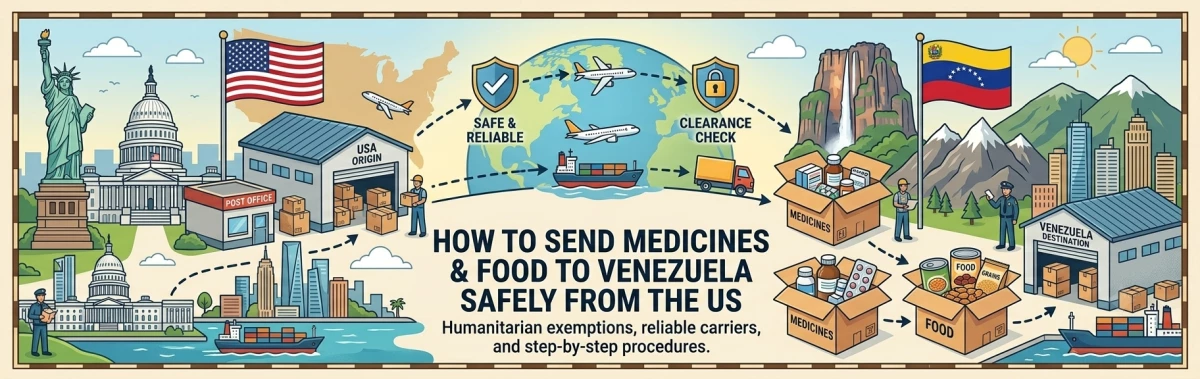
Understanding how to send a package to Venezuela from start to finish helps remove much of the uncertainty from the process. Begin by gathering all items you plan to include and checking each one against current customs restrictions. Next, prepare any necessary documentation, including prescriptions, doctor notes, or an itemized list of contents. Pack everything securely, using sturdy boxes and appropriate padding to prevent damage. Choose a shipping provider based on your research, then complete any required customs forms accurately and honestly, since misrepresenting contents can lead to delays or confiscation. Pay applicable shipping fees and, if offered, consider purchasing insurance for added peace of mind. Once the package ships, use the tracking number provided to monitor its progress and stay informed about estimated delivery dates. Communicate with the recipient so they know when to expect the package and can be available to receive it, particularly if a signature or identification is required upon delivery in Venezuela.
Common Mistakes to Avoid
Even experienced senders sometimes run into avoidable problems. One common mistake involves underestimating customs restrictions and including prohibited items, which can result in the entire package being held or returned. Another frequent issue is poor packing that leads to damaged goods, particularly with liquids or glass containers that were not properly cushioned. Some senders also forget to include proper documentation for medications, causing unnecessary delays during customs inspection. Choosing the cheapest shipping option without researching reliability can backfire as well, resulting in lost packages or extremely long delivery times. Finally, failing to communicate with the recipient about tracking numbers or expected delivery windows can create confusion and missed deliveries. Avoiding these pitfalls comes down to careful preparation, honest documentation, and choosing a shipping partner with genuine experience handling packages destined for Venezuela.
Staying Patient Through Delays
Even with careful planning, delays can happen. Customs processing times vary depending on current conditions at the border and the volume of packages moving through at any given time. Political and economic factors within Venezuela can also affect how quickly shipments clear, and these circumstances are often outside the control of any shipping provider. Building in extra time when sending medications, especially ones the recipient depends on regularly, helps avoid situations where someone runs out before a replacement arrives. Keeping a small backup supply on hand, when medically appropriate, offers additional peace of mind while a new shipment is in transit. Staying in regular contact with your shipping provider during any unexpected delay also helps you get accurate updates rather than relying on guesswork, and most reputable companies will proactively reach out if a shipment runs into complications along the way.
Final Thoughts
Sending medicine and food to loved ones in Venezuela is an act of care that requires thoughtful planning and attention to detail. From understanding customs regulations to packing items securely and selecting a dependable shipping partner, each step plays a role in making sure your package arrives safely and on time. Taking a little extra time upfront to research requirements and choose the right provider can save significant stress and expense down the road. If you are ready to send a package filled with medicine, food, or other essentials to family in Venezuela, Zion Shipping offers experienced, reliable service built specifically for routes like this one. Reach out to Zion Shipping today to learn more about pricing, delivery timelines, and how their team can help your package arrive safely and without unnecessary delays.
Also Read: What Is the Best Way to Ship from the US to Venezuela?
Frequently Asked Questions
Q1. What medicines are allowed to be sent to Venezuela?
Most prescription and over-the-counter medications are allowed in reasonable quantities intended for personal use. It is best to include a copy of the prescription or a doctor's note, keep items in original packaging, and avoid anything requiring refrigeration unless using a cold chain service.
Q2. How long does it typically take for a package to arrive in Venezuela?
Delivery times vary depending on the shipping method and current customs conditions, often ranging from one to several weeks. Working with an experienced provider and choosing a service with tracking helps you stay informed about realistic timelines.
Q3. Can I send fresh food or homemade meals to Venezuela?
Fresh, perishable, and homemade food items are generally not recommended and often face restrictions at customs. Sticking to sealed, packaged items with a long shelf life gives your shipment a much better chance of arriving intact and approved.
Q4. What happens if my package gets held at customs?
Packages can be held for missing documentation, prohibited items, or random inspection. A reliable shipping provider will typically notify you of the issue and help resolve it, which is why choosing a company experienced with Venezuelan customs matters so much.
Q5. Is it cheaper to use the postal service or a private shipping company?
Postal service is often less expensive upfront but can be slower and less predictable. Private shipping companies may cost more but generally offer better tracking, more consistent delivery times, and greater experience handling customs requirements for Venezuela.