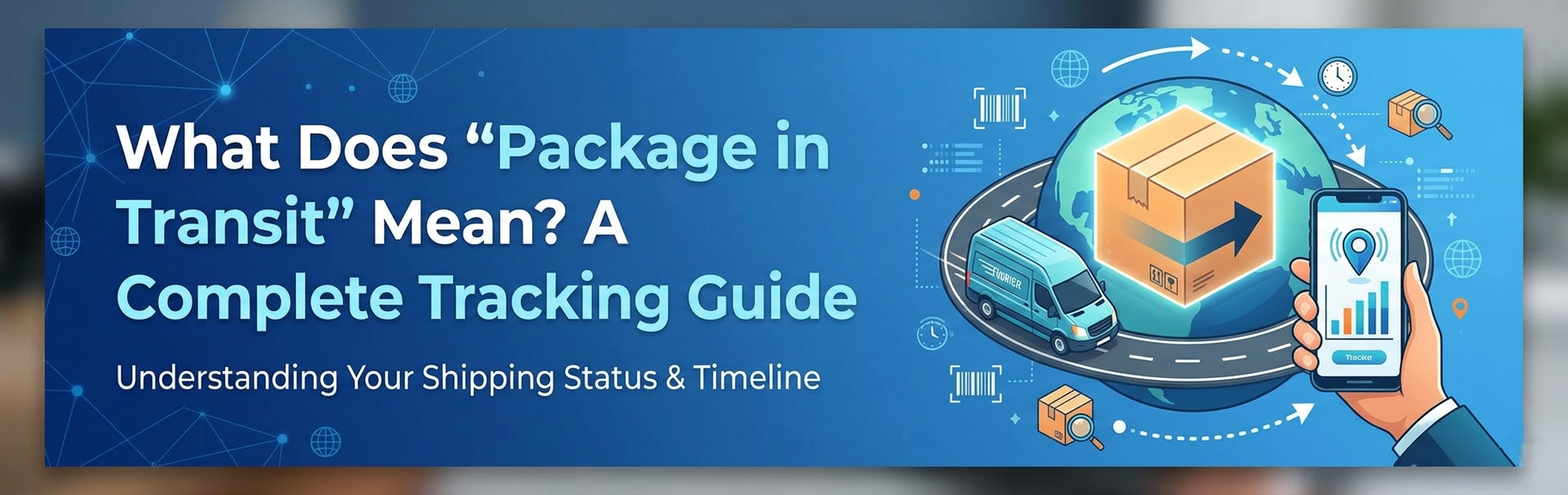
What Does “Package in Transit” Mean? A Complete Tracking Guide
When you check a tracking page and see a package in transit, it usually means your parcel is actively moving through the shipping network and is on its way to the next facility, sorting hub, or delivery destination. It does not always mean the package is in a truck at that exact moment, and it does not always mean it will arrive today. In most cases, it simply shows that the shipment has left one stage of the journey and is progressing toward the next one.
For many people, tracking updates can feel confusing because shipping systems use short status messages that leave out a lot of detail. A parcel may appear to be moving, pause for a day or two, then update again without warning. That is normal. Shipping involves several handoffs, scans, warehouses, and transport legs, so one status can cover a wide range of movement.
Understanding these updates can save you from unnecessary worry. Instead of assuming something is wrong, it helps to know what each status usually means, how long it can last, and when it is time to contact the carrier. It also helps to know the difference between a package that is still moving and one that has genuinely stopped progressing.
What Tracking Status Really Means
A tracking message is not a live map. It is a record of scans made as your parcel moves through the system. Every time the item is accepted, sorted, transferred, or delivered, the shipping carrier may update the tracking page. Because of this, the status you see is often based on the last scan, not on the package’s exact current location.
That is why a package can be moving even when the tracking page looks unchanged. It might be on a plane, in a truck, at a customs checkpoint, or waiting to be scanned at the next hub. The phrase shipment in transit meaning is broader than many people expect: it usually covers any stage after the parcel leaves the origin facility and before it reaches final delivery.
If the update has not changed in a day or two, that does not automatically mean a delay. In many shipping networks, scans are not continuous. A package may travel a long distance between two visible tracking updates.
Understanding Common Shipping Stages
Most packages move through several stages before they reach the recipient. These typically include order processing, pickup, sorting, transportation, destination processing, and final delivery. Each stage may generate a tracking update, although not every carrier provides the same level of detail.
The movement between these stages can vary depending on shipping volume, weather conditions, route complexity, and transportation methods. Domestic shipments usually move faster than international shipments because they do not require customs clearance or cross-border processing.
For customers, understanding these stages helps reduce anxiety when a package appears to remain unchanged for a short period. In reality, the shipment may simply be moving through the next operational step.
Why Tracking Updates Sometimes Pauses
Many customers search for tracking status explanations because they are concerned when updates stop appearing. In most cases, this is completely normal.
A tracking pause can occur for several reasons. The package may be traveling long distances between facilities, waiting for the next scheduled scan, or moving through customs inspection. High shipping volumes during holidays and major shopping seasons can also slow update frequency.
Additionally, carriers often scan shipments in batches. This means a package may arrive at a facility but not receive an immediate update until the next processing cycle begins. While this can be frustrating, it does not necessarily indicate a problem with the shipment.
How Long Can a Package Remain in Transit?
There is no universal timeline for transit status. Delivery times depend on shipping service level, distance, carrier network, and destination country.
Express services generally move packages faster because they receive priority handling. Economy services may take longer due to consolidated transportation schedules. International shipments can remain in transit for extended periods because they pass through customs and multiple transportation networks.
The key is to compare the current tracking information against the estimated delivery window. As long as the shipment remains within that timeframe, occasional delays in updates are usually nothing to worry about.
Why Packages Travel Through Multiple Locations
Many recipients become confused when they see a package moving through cities that seem unrelated to the destination. This happens because carriers operate large distribution networks built around centralized sorting hubs.
Instead of sending every package directly from origin to destination, carriers often route shipments through major logistics centers where thousands of parcels are sorted and redirected. While this may appear inefficient, it actually improves delivery speed and network efficiency.
As a result, your package may travel through multiple states, regions, or even countries before reaching its final destination.
When a Package Appears Stuck
Seeing a shipment stop updating can be stressful. Many people immediately assume the parcel is lost. However, a package not moving does not always mean there is a serious issue.
The package may still be in transportation between facilities, waiting for customs clearance, or experiencing temporary operational delays. Weather disruptions, transportation bottlenecks, and staffing shortages can all affect movement and scanning schedules.
In most situations, packages begin updating again once they reach the next major processing center. This is why carriers often recommend waiting several business days before reporting a shipment as missing.
What To Do If Tracking Stops Updating
If your tracking information has not changed for several days, start by reviewing the estimated delivery date. If that date has not passed, patience is often the best approach.
You should also check for carrier service alerts related to severe weather, transportation disruptions, or customs delays. These events can temporarily impact delivery schedules across entire regions.
If the estimated delivery window has passed and no updates have appeared, contact the carrier or shipping provider. Be prepared to provide your tracking number, shipment date, sender information, and destination details to help support teams investigate the issue efficiently.
International Shipping and Transit Delays
International shipments involve more moving parts than domestic deliveries. Packages often travel through multiple countries, customs agencies, transportation providers, and logistics partners before reaching their destination.
Customs inspections are one of the most common reasons for extended transit times. Depending on the country, customs processing may take several hours or several days. During this period, tracking updates may be limited or delayed.
Understanding these additional steps helps set realistic expectations for international deliveries and reduces concerns when tracking activity slows temporarily.
Track Your Package with Confidence Using Zion Shipping
Accurate tracking is essential for both personal and business shipments. Knowing where your package is located and understanding its delivery progress can provide peace of mind throughout the shipping process.
At Zion Shipping, we make package tracking simple and transparent. Whether you are sending parcels domestically or internationally, our tracking solutions help you stay informed every step of the way. If you need assistance with shipment visibility, delivery updates, or package status information, our team is ready to help.
Track your package with Zion Shipping today and enjoy reliable updates, professional support, and a smoother shipping experience from pickup to delivery.
Final Thoughts
Shipping updates can sometimes feel confusing, especially when tracking information appears unchanged for a period of time. However, in most cases, a package marked as in transit is continuing its journey through the carrier network.
By understanding how shipping systems operate, what different tracking statuses mean, and when delays are considered normal, you can follow your shipment with greater confidence and less stress.
Whether your package is traveling across the country or around the world, patience and accurate tracking information are key to a better delivery experience.
Also Read: Is There a Tariff on Goods From the USA to Canada? Beginner's Guide for First-Time Shippers
Frequently Asked Questions
1. What does “in transit” mean for a package?
It means the package is currently moving through the shipping network and has not yet reached its final delivery destination.
2. Why hasn't my tracking updated in several days?
Tracking updates may pause because of long-distance transportation, customs processing, weather conditions, or delayed scanning at shipping facilities.
3. Can a package be moving even if tracking doesn't change?
Yes. A package may continue traveling between facilities without receiving a new scan until it reaches the next processing point.
4. When should I contact the carrier about a delayed shipment?
You should contact the carrier if the package has exceeded its estimated delivery date and tracking information has not been updated for an extended period.
5. Are international shipments more likely to experience transit delays?
Yes. International shipments often require customs inspections and coordination between multiple logistics providers, which can increase transit times.