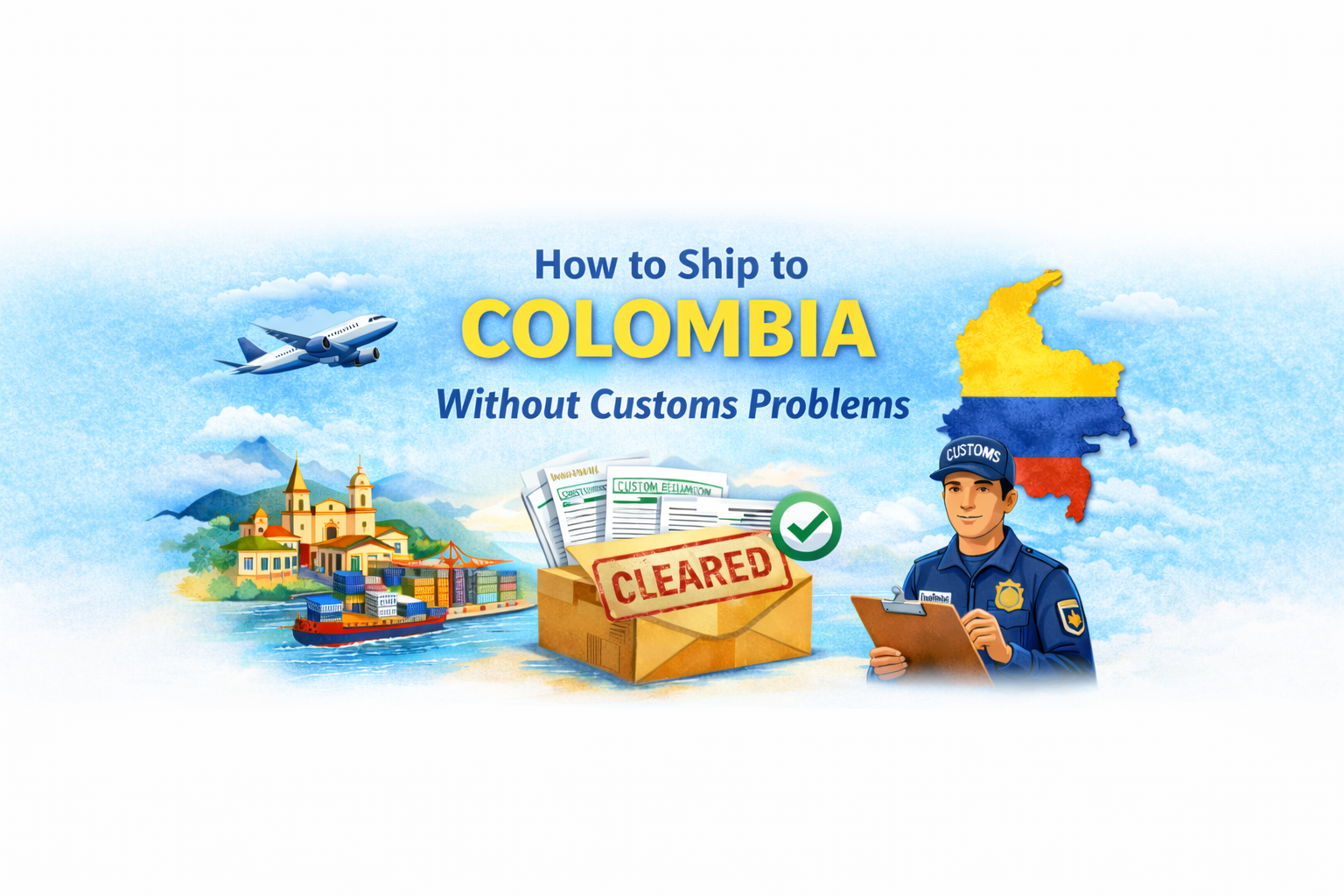
How to Ship to Colombia Without Customs Problems
International parcel delivery can feel simple until customs becomes involved. Many shipments are delayed not because of strict regulations but because of small documentation errors, unclear declarations, or incorrect shipping practices. Anyone involved in shipping to Colombia knows that customs clearance is the most critical stage of the journey. A single mistake can turn a smooth delivery into weeks of waiting, unexpected charges, or even returned packages.
This guide explains how to prepare shipments correctly, avoid inspections, and ensure parcels move through customs efficiently. Whether you are a regular sender or a first-time shipper, understanding the process helps eliminate uncertainty and improve delivery success rates.
Understanding How Customs Actually Works
Customs authorities are responsible for verifying what enters a country, ensuring duties and taxes are paid, and confirming shipments comply with safety and import regulations. Every package crossing borders is evaluated based on documentation, declared value, and product classification.
When authorities review shipments, they are mainly checking whether the paperwork accurately reflects what is inside the box. If descriptions are vague or values appear unrealistic, the parcel may be stopped for inspection. People involved in shipping to Colombia from us often experience delays because invoices lack detailed product descriptions or proper valuation.
Customs officers rely entirely on documentation. They do not know what is inside unless you clearly explain it. Accuracy and transparency are therefore your strongest tools for avoiding problems.
Preparing Accurate Shipping Documentation
Documentation is the foundation of successful international shipping. The commercial invoice must include a detailed description of each item, quantity, value, and country of origin. Generic wording creates suspicion and increases inspection chances.
Instead of writing broad labels, describe items precisely. A clear description allows customs officers to classify goods quickly without additional verification. Matching information across all documents is equally important. The address, sender name, and recipient details must be identical on the invoice, shipping label, and tracking paperwork.
Many delays in delivery to colombia occur because documents contain small inconsistencies such as spelling differences or incomplete contact details. Always double check before shipping.
Declaring Item Value Honestly and Correctly
One of the most common mistakes senders make is undervaluing items to reduce import duties. While this may seem harmless, customs systems are trained to detect unrealistic pricing. If a declared value appears suspicious, the parcel may be held for reassessment or penalties.
Declare the actual transaction value, including discounts. Transparency builds trust with customs systems and prevents investigations. Accurate valuation also protects you if insurance claims become necessary.
When you ship to colombia, remember that customs decisions are data driven. Honest declarations move faster because they require less verification.
Choosing the Right Courier and Brokerage Support
Not all delivery services handle customs equally. Some couriers provide integrated brokerage support, meaning they assist with paperwork review before the shipment leaves the origin country. This proactive approach significantly reduces clearance delays.
Frequent shippers benefit from working with carriers that offer duty prepayment options and customs consultation. Brokers communicate directly with customs authorities, resolving questions quickly and preventing long holds.
Professional logistics support becomes especially valuable when sending packages to colombia south america, as experienced providers understand local clearance patterns and documentation expectations.
Packaging Methods That Reduce Inspection Risk
Packaging influences how customs officers perceive a shipment. Overly complicated packing or concealed items may trigger inspection because officers need to verify contents easily.
Use sturdy but simple packaging that protects items without hiding them unnecessarily. Include a packing list inside the box and attach an invoice externally in a protective sleeve. Proper labeling ensures officers can review documents without opening the parcel, which speeds processing.
Avoid mixing unrelated items in one package whenever possible. Grouping similar products simplifies classification and reduces confusion during inspections.
Avoiding Restricted and Prohibited Items
Every country maintains a list of restricted goods. Items such as certain electronics, cosmetics, batteries, and food products may require permits or certifications.
Before shipping, confirm that your items are allowed and determine whether special declarations are needed. Shipping restricted goods without documentation almost guarantees customs delays.
Regular senders often create a compliance checklist for frequently shipped items. This simple habit prevents repeated mistakes and ensures consistent approval during inspections.
Managing Duties, Taxes, and Payment Responsibility
Understanding duties and taxes prevents delivery complications. Customs determines whether import taxes apply based on shipment value, classification, and shipment purpose.
Many senders prefer prepaid duty options because recipients receive parcels without surprise payments. This approach improves delivery success rates and customer satisfaction.
Clear communication about payment responsibility avoids confusion between sender and recipient. When expectations are clear, customs clearance tends to proceed faster.
Tracking and Responding to Customs Requests
Even perfectly prepared shipments may occasionally require verification. Customs may request additional documents or confirmation from the recipient.
Respond quickly to carrier notifications. Delays in communication often extend clearance times more than documentation issues themselves. Provide requested information promptly and ensure recipients are prepared to cooperate if contacted.
Tracking updates should be monitored daily until clearance is complete. Early response prevents minor issues from becoming major delays.
Learning From Previous Shipments
Experienced senders treat every shipment as a learning opportunity. Maintaining records of shipment values, courier performance, and clearance times helps identify patterns.
Over time, you will discover which services work best for certain product categories and delivery timelines. Process improvement based on real experience is one of the most effective ways to eliminate customs problems permanently.
Consistency builds reliability. When customs repeatedly receives accurate shipments from the same sender, future shipments often move more smoothly.
Conclusion: Ship Smarter With the Right Logistics Partner
Avoiding customs problems is not about luck; it is about preparation, accuracy, and choosing the right shipping partner. Clear documentation, honest declarations, proper packaging, and proactive communication dramatically reduce delays and unexpected costs.
If you want a smoother international shipping experience with expert guidance, brokerage assistance, and reliable transit solutions, contact Zion Shipping today. Their team helps streamline documentation, reduce customs risks, and ensure your shipments reach their destination efficiently and without unnecessary complications.
Also Read: How Much to Ship 15 lb Package Bradenton, FL to Paraguay 2026
FAQs
1. Why do packages get stuck in customs when shipping internationally?
Packages are usually held due to incomplete documentation, unclear product descriptions, incorrect declared values, or missing permits for restricted items.
2. Can I reduce customs delays when shipping regularly?
Yes. Using consistent documentation, accurate invoices, and an experienced courier with brokerage support greatly reduces clearance issues.
3. Should I insure international shipments?
Insurance is recommended for valuable items because it protects against loss, damage, or unexpected complications during transit.
4. Do customs officers open every package?
No. Most packages clear without inspection, but shipments with unclear information or high-risk indicators may be selected for review.
5. What is the best way to prepare first-time international shipments?
Follow accurate documentation practices, verify item restrictions, declare correct values, and choose a shipping service experienced in international customs handling.