
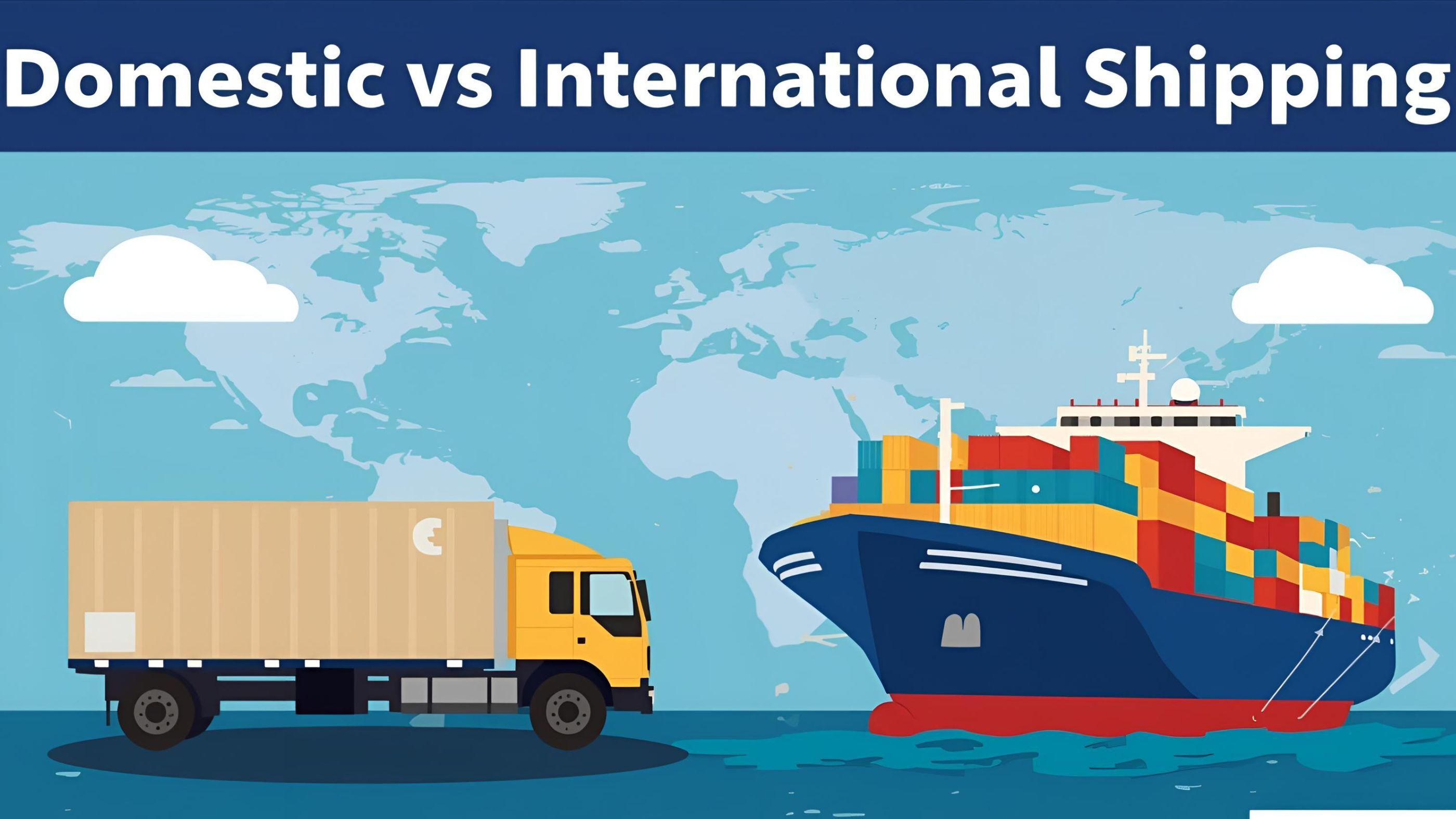
Free Shipping Strategies: Domestic vs International Implementation
Free shipping has transformed from a competitive advantage into a customer expectation. Today, 90% of online shoppers cite free shipping as their top incentive to buy more. Yet businesses face a critical challenge: how can you offer attractive shipping promotions while maintaining profitability across different markets?
The answer lies in understanding the distinct requirements and opportunities between domestic and international shipping strategies. Each market demands unique approaches to cost management, pricing structures, and customer expectations. Successful businesses adapt their free shipping programs to maximize conversions while protecting profit margins.
The Current State of Free Shipping Expectations
Consumer expectations around free shipping have reached new heights in 2025. Research shows that 66% of consumers expect free shipping on all orders, while 80% expect retailers to offer free shipping thresholds. These statistics reveal a fundamental shift in purchasing behavior where shipping costs often determine buying decisions.
However, rising operational costs have forced many businesses to reconsider their free shipping strategies. Shipping expenses now represent 5 to 20 percent of total revenue for most retailers. The elimination of duty-free thresholds for US imports and increased carrier rates have made absorbing shipping costs more challenging than ever.
Small businesses particularly feel this pressure. Many have increased their minimum order thresholds from an average of $82 in 2023 to $103 in 2025. Some companies have eliminated free shipping entirely to maintain margins, though this approach risks significant customer loss.
Domestic Free Shipping Implementation
Domestic free shipping offers businesses several advantages when implementing attractive shipping promotions. The simplified logistics, predictable costs, and faster delivery times make domestic markets ideal for testing and refining free shipping strategies.
Setting Optimal Minimum Order Values
The foundation of successful domestic free shipping lies in calculating the right minimum order threshold. This calculation requires understanding your average order value, shipping costs, and profit margins. A properly set threshold encourages customers to increase their cart size while ensuring profitability.
The formula for calculating your minimum threshold involves several key metrics. Start with your average order value and add 30% to encourage larger purchases. For example, if your average domestic order is $45, consider setting your free shipping threshold at $60. This approach motivates customers to spend more while helping cover true shipping costs.
Advanced calculations consider gross profit margins and shipping expenses. Subtract your average order value from the proposed minimum cart value, multiply by your gross profit margin, then subtract average shipping costs. If the result is positive, your threshold remains viable.
Cost Absorption Strategies
Businesses employ multiple strategies to absorb domestic shipping costs effectively. The simplest approach involves incorporating shipping expenses into product pricing. This method works particularly well for lightweight, high margin items where a few extra dollars seem insignificant to customers.
Alternatively, businesses can distribute shipping costs proportionally across products based on their percentage of the free shipping threshold. A $25 item representing 50% of a $50 threshold would absorb 50% of average shipping costs. This approach maintains consistent pricing while spreading shipping expenses across all products.
Promotional Timing and Conditions
Strategic timing enhances the effectiveness of domestic free shipping promotions. Limited time offers create urgency and drive immediate action. Weekend promotions, holiday campaigns, and new product launches benefit significantly from temporary free shipping incentives.
Conditional free shipping based on customer segments also proves effective. Loyalty program members, first time buyers, and repeat customers can receive different thresholds that reflect their value to the business. Geographic considerations allow businesses to offer free shipping within specific regions where delivery costs remain manageable.
International Shipping Challenges and Opportunities
International Shipping presents unique challenges that require specialized strategies for implementing free shipping programs. Higher costs, complex regulations, and extended delivery times demand careful consideration when developing attractive shipping promotions for global markets.
Cost Structure Differences
International shipping costs significantly exceed domestic rates due to multiple factors. Customs duties, brokerage fees, longer transportation distances, and currency fluctuations create unpredictable expense patterns. These additional costs can increase total shipping expenses by 20 to 50 percent beyond base carrier rates.
Businesses must account for handling charges that reflect the extra time required for international order preparation. International shipments require more careful packaging, detailed documentation, and additional processing time. A typical handling charge calculation considers hourly wages and preparation time to determine appropriate fees.
The average international order value of $121 exceeds domestic orders by $9, providing some buffer for absorbing higher shipping costs. However, this modest increase rarely covers the full cost difference between domestic and international shipping.
Documentation and Compliance Costs
International shipping requires extensive documentation that increases operational costs. Commercial invoices, customs declarations, certificates of origin, and shipping manifests demand additional staff time and expertise. Incorrect documentation leads to delays, penalties, and customer dissatisfaction that can damage business relationships.
Businesses must invest in documentation management systems and staff training to handle international requirements properly. Partnering with experienced freight forwarders or customs brokers helps streamline processes but adds service fees to overall shipping costs.
Strategic Approaches for International Free Shipping
Successful international free shipping strategies often involve higher minimum order thresholds that reflect increased shipping costs. Research shows businesses frequently set separate international thresholds that are 50 to 100 percent higher than domestic requirements.
Geographic targeting allows businesses to offer free shipping to specific countries where they have established efficient logistics networks. Starting with nearby countries or major markets helps control costs while testing international free shipping viability.
Currency considerations become important when setting international thresholds. Fluctuating exchange rates can erode margins if thresholds remain fixed in US dollars. Dynamic pricing that adjusts thresholds based on current exchange rates helps maintain profitability across different markets.
Also Read: Top 10 Questions to Ask Before Choosing a Shipping Company in Miami, Florida
Calculating Profitable Free Shipping Thresholds
Setting profitable free shipping thresholds requires careful analysis of multiple business metrics. The difference between domestic vs international shipping creates distinct calculation requirements that businesses must understand to maintain healthy margins.
Domestic Threshold Calculations
Domestic threshold calculations focus on balancing customer expectations with operational realities. Begin by analyzing 12 months of order data to identify your median order value, excluding periods with promotional free shipping that might distort results. This baseline provides the foundation for setting realistic thresholds.
Calculate your gross profit margin by subtracting product costs from total sales, then dividing by total sales. For example, $80,000 in sales minus $30,000 in costs equals a 62.5% gross profit margin. This percentage determines how much additional profit you generate from increased order values.
Test proposed thresholds using the validation formula. Subtract your average order value from the proposed minimum, multiply by your gross profit margin, then subtract average shipping costs. Positive results indicate viable thresholds, while negative results suggest adjustments are needed.
International Threshold Adjustments
International thresholds require significant adjustments to account for higher shipping costs and operational complexity. Start with your domestic threshold as a baseline, then add the difference between international and domestic shipping costs.
Consider implementing tiered international thresholds based on shipping zones. Nearby countries might require modest increases over domestic thresholds, while distant destinations need substantially higher minimums to remain profitable.
Currency stability affects international threshold effectiveness. Countries with volatile currencies may require higher thresholds or dynamic pricing that adjusts automatically based on exchange rate fluctuations.
Regional Considerations and Zone-Based Strategies
Geographic factors significantly impact free shipping strategy implementation. Shipping from the US to different regions creates varying cost structures that smart businesses leverage through zone based approaches.
Domestic Zone Optimization
Domestic shipping zones within the United States offer opportunities for refined free shipping strategies. Businesses can offer different thresholds based on delivery distances, with lower minimums for nearby zones and higher requirements for cross country shipments.
Regional fulfillment centers enable more generous free shipping policies by reducing average shipping distances. Products stored closer to customers cost less to ship, allowing businesses to lower thresholds or absorb costs more easily.
Urban areas with higher population density often support lower free shipping thresholds due to efficient last mile delivery networks. Rural areas may require higher minimums to offset increased delivery costs and longer transportation times.
International Zone Strategies
International shipping zones require careful evaluation of cost structures and market opportunities. Neighboring countries like Canada and Mexico often present the most attractive opportunities for international free shipping due to lower transportation costs and simplified customs procedures.
European markets typically require higher thresholds due to distance and regulatory complexity, while Asian markets present the greatest challenges for US based businesses. Ocean freight costs, extended delivery times, and complex customs requirements necessitate substantially higher minimum order values.
Free trade agreements and preferential trade programs can reduce tariffs and duties, making certain international markets more attractive for free shipping promotions. Businesses should research available agreements to identify cost saving opportunities.
Technology and Automation for Cost Management
Modern shipping technology enables sophisticated free shipping strategies that would be impossible to manage manually. Automated systems help businesses implement dynamic thresholds, optimize carrier selection, and manage complex international requirements.
Dynamic Threshold Management
Advanced ecommerce platforms allow businesses to implement dynamic free shipping thresholds that adjust automatically based on multiple factors. Real time inventory levels, carrier rates, and customer location can all influence the threshold presented to each shopper.
Machine learning algorithms analyze customer behavior patterns to optimize threshold effectiveness. These systems identify the minimum threshold required to encourage additional purchases without unnecessarily sacrificing margin on customers who would have paid shipping fees.
A/B testing capabilities enable continuous threshold optimization. Businesses can test different minimum values across customer segments to identify the most profitable approaches for each market.
Automated Cost Calculations
Sophisticated shipping software integrates with multiple carriers to provide real time rate calculations that support accurate free shipping cost projections. These systems account for dimensional weight pricing, fuel surcharges, and accessorial fees that manual calculations often miss.
International shipping automation handles complex customs calculations, currency conversions, and duty estimations. This capability enables businesses to set more accurate international thresholds that reflect true total costs.
Integration with inventory management systems allows for location based threshold calculations when products ship from multiple fulfillment centers. Customers see thresholds that reflect shipping costs from their nearest warehouse.
Measuring Success and Optimization
Successful free shipping strategies require continuous monitoring and optimization. Key performance indicators help businesses understand the impact of their programs and identify opportunities for improvement.
Performance Metrics
Average order value represents the most important metric for evaluating free shipping threshold effectiveness. Successful programs should show measurable increases in AOV that exceed the additional shipping costs absorbed.
Conversion rate improvements indicate whether free shipping strategies are successfully reducing cart abandonment. Businesses should track conversion rates for customers above and below free shipping thresholds to measure program impact.
Customer lifetime value provides insight into the long term benefits of free shipping programs. Customers acquired through attractive shipping policies often demonstrate higher repeat purchase rates and greater total value over time.
Continuous Improvement
Regular threshold testing ensures programs remain optimized as business conditions change. Quarterly reviews allow businesses to adjust thresholds based on changing costs, customer behavior, and competitive pressures.
Seasonal adjustments account for varying shipping costs and customer expectations throughout the year. Holiday periods may support higher thresholds due to increased gift purchasing, while summer months might require lower minimums to maintain sales velocity.
Customer feedback provides valuable insights into threshold effectiveness and shipping experience quality. Surveys and reviews help businesses understand whether their free shipping programs create genuine value or merely meet basic expectations.
Also Read: Top 5 Common Air International Shipping Mistakes To Avoid When Shipping From Miami
Conclusion
Implementing successful free shipping strategies requires understanding the fundamental differences between domestic and international markets. While domestic shipping offers predictable costs and straightforward implementation, international markets demand higher thresholds and more sophisticated cost management approaches.
The key to profitable free shipping lies in setting appropriate thresholds that encourage larger orders without sacrificing margins. Domestic businesses can typically implement more generous programs due to lower shipping costs and simplified logistics. International programs require careful calculation of total costs, including duties, customs fees, and extended handling requirements.
Success comes from continuous optimization based on real data rather than assumptions. Businesses that regularly test thresholds, monitor performance metrics, and adjust strategies based on results consistently outperform those using static approaches.
Ready to optimize your free shipping strategy and expand your business reach? Zion Shipping specializes in helping US businesses navigate both domestic and international shipping challenges. Our expert team provides customized solutions that balance customer expectations with profitability requirements. Contact Zion Shipping today to discover how we can streamline your shipping operations and support your growth objectives through strategic shipping programs that work for your business.
Frequently Asked Questions
1. What minimum order value should I set for domestic free shipping?
Set your domestic free shipping threshold approximately 30% above your average order value. For example, if customers typically spend $45, consider a $60 threshold. This encourages larger purchases while covering shipping costs through increased profit margins.
2. How much higher should international free shipping thresholds be compared to domestic?
International thresholds typically need to be 50 to 100% higher than domestic minimums due to increased shipping costs, customs fees, and handling requirements. A $50 domestic threshold might require $75 to $100 internationally, depending on destination zones.
3. Can small businesses afford to offer free shipping without losing money?
Yes, small businesses can offer profitable free shipping by incorporating costs into product pricing, setting appropriate minimum order thresholds, and starting with domestic markets before expanding internationally. The key is calculating true costs and setting thresholds that generate sufficient additional profit.
4. Should I offer different free shipping thresholds for different countries?
Absolutely. Different countries have varying shipping costs, customs requirements, and market conditions. Implementing zone based thresholds allows you to remain competitive in each market while maintaining profitability across your international operations.
5. How often should I review and adjust my free shipping thresholds?
Review thresholds quarterly to account for changing shipping costs, customer behavior, and competitive pressures. Additionally, conduct seasonal adjustments for holiday periods and make immediate changes if carrier rates increase significantly or business conditions change substantially.