
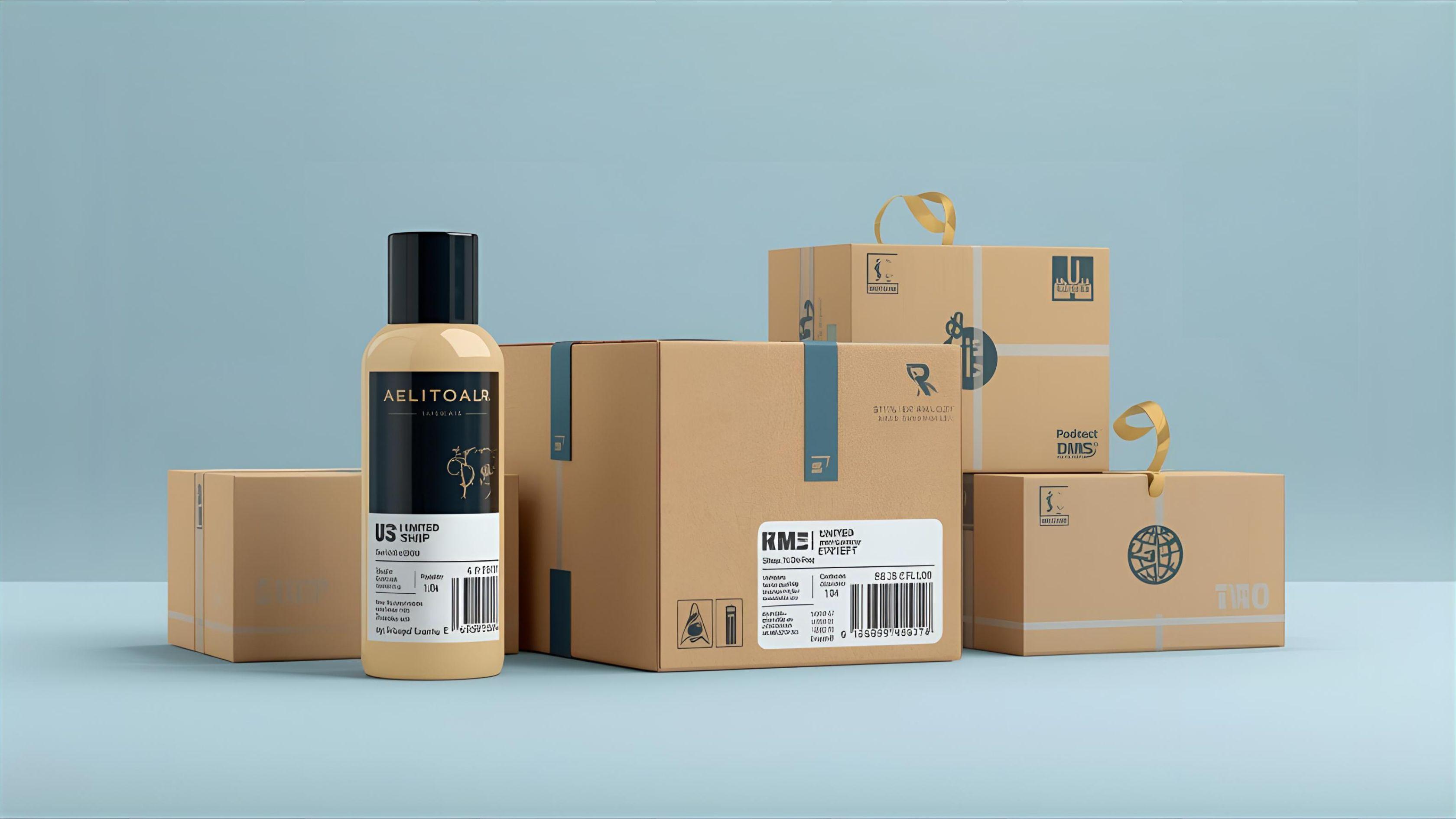
How to Buy From US Ship to United Arab Emirates Fast and Secure
How to buy from US and ship to the United Arab Emirates quickly and safely comes down to choosing the right seller, the right shipping plan, and the right partner to handle customs and last‑mile delivery so orders arrive on time and in perfect condition.
The fastest, most secure path is to verify product availability, pay with a UAE‑friendly method, choose an express service with door‑to‑door tracking, and pre‑clear duties and VAT so parcels pass through customs without delays.
Why speed and security matter
Cross‑border buyers care about delivery dates and product integrity because every extra day in transit increases the risk of damage, misrouting, or missed occasions like birthdays and holidays. A secure workflow, from checkout to last‑mile handoff, keeps items moving and documented at each step so problems can be resolved before they escalate. The goal is to transform international delivery into a predictable experience that feels as simple as ordering domestically.
Pre‑purchase preparation
A smooth shipment begins before clicking buy. Confirm the item is exportable under U.S. regulations and allowed for import by UAE customs, especially for categories like electronics with batteries, cosmetics, supplements, drones, and smart devices. Check manufacturer region codes for media and firmware region settings for devices to avoid incompatibilities once the product arrives. Review seller handling times, stock status, and cutoff hours because same‑day dispatch can shave one to two days off the total timeline. If a gift deadline or business need is tight, message the seller for a confirmed dispatch date and ask for a carrier service level that matches the timeline.
Payment and currency considerations
Reliable payment methods reduce friction and fraud checks that can slow an order. Cards that support 3‑D Secure and digital wallets with address verification tend to clear faster and add an extra protection layer. Paying in AED or at least seeing a guaranteed conversion at checkout removes uncertainty from the final price. If an installment plan is required, confirm it does not delay the merchant disbursement or shipment release. Double‑check the billing address and shipping address match the documents on file with the bank to avoid manual reviews.
Duties, taxes, and customs clearance
The most common source of delay is incomplete paperwork or unpaid import charges. A Delivered Duty Paid approach, where duties and VAT are collected at checkout, keeps parcels moving and avoids doorstep surprises. If the seller uses Delivered Duty Unpaid, prepare a fast payment method for the carrier’s customs bill to prevent storage holds. Accurate descriptions, HS codes, and values on the commercial invoice help customs assess charges correctly. Include ingredient lists or compliance documents for sensitive goods like cosmetics or medical devices to prevent inspections from turning into lengthy holds.
Choosing the right shipping option
Speed largely depends on service level and network coverage. Express air services typically deliver in three to five business days door to door, while economy air adds a few extra days but costs less. Step up to time‑definite express when a guaranteed day matters, particularly for business purchases or urgent gifts. For higher‑value items, require an adult signature upon delivery and consider additional carriage insurance that covers the full replacement value. Trackability is non‑negotiable because real‑time scans offer proof of movement, enable proactive support, and provide documentation for claims if needed.
Packaging and protection
Durable, right‑sized packaging prevents damage and dimensional weight penalties. Use original manufacturer packaging plus an outer shipping carton with internal cushioning that immobilizes the item. Seal the box with reinforced tape and apply address labels on a flat surface away from seams or corners. For electronics or liquids, follow carrier rules for batteries and leak‑proof seals. Include a packing slip inside and a duplicate label in an outer pouch in case the exterior label is scuffed in transit. Photograph the packed box and label as a record in case a claim is required.
Address accuracy and delivery preferences
Small address errors cause outsized delays, so format the recipient name, building, street, area, and emirate per carrier guidelines, and include a working UAE mobile number for delivery coordination. If a building has a security desk or a receiving bay, note it clearly. For residential towers, add access instructions or preferred delivery times to reduce failed attempts. Where available, select pickup at a nearby access point to avoid missed deliveries and to shorten the last‑mile window.
Also Read: Top Mistakes to Avoid When Shipping Internationally from Miami
Tracking, alerts, and exception handling
Turn on email or SMS alerts at checkout so each scan triggers a notification. The moment a shipment shows an exception like clearance delay, address issue, or recipient unavailable, contact the carrier with the tracking number to resolve it before it extends into multiple days. Keep all transaction artifacts together, including invoice, payment receipt, tracking history, and correspondence, so identity verification or claims can be filed quickly. If an item appears stuck in export, confirm the shipper actually tendered the parcel and that the airway bill was correctly activated at pickup.
Returns, replacements, and warranties
Even the best plans need a fallback. Before purchasing, read the seller’s return policy for international orders, including who pays return postage, the return window, and whether refunds cover original shipping fees. For warranty support, confirm whether the brand honors warranty service in the UAE or requires shipping back to the U.S. Keep serial numbers and device registration documents, and save box barcodes for future claims. When possible, choose products with international warranties or local service networks to minimize downtime and costs.
Avoiding common mistakes
Rushing checkout leads to errors that cost days. Always review the final order summary, including SKU, quantity, options like voltage or plug type, and delivery speed. Do not underestimate customs documentation; vague descriptions invite inspections. Avoid undervaluing items to reduce taxes because it risks seizure or claim denials if the package is lost. Resist mixing incompatible items in one box, such as lithium batteries with certain aerosols, which may trigger dangerous goods restrictions. Finally, do not wait for a last‑minute holiday purchase; peak seasons amplify every minor delay.
When to consolidate or split shipments
Consolidation saves money by combining multiple purchases into one box, but it can increase declared value and potential taxes, and it may create a single point of failure. Split high‑value orders into two boxes to distribute risk and keep each parcel under a preferred value threshold for customs simplicity. Consolidate small, durable items that do not raise regulatory flags and can be protected in one sturdy carton. Time‑sensitive items should travel separately via express, while non‑urgent accessories can use economy services to optimize cost.
Technology tools that help
Modern checkout experiences offer embedded calculators, real‑time carrier rates, and estimated delivery dates. Use address validation prompts to correct typos and confirm postal codes. Two‑factor authentication and tokenized payments reduce fraud checks that stall shipments. Order management portals that integrate tracking across carriers make it easier to monitor everything from dispatch to delivery on a single screen. Save templated recipient details for future orders to speed up repeat purchases without retyping critical fields.
Exact keyword usage for discoverability
For search relevance and clarity, this guide uses the phrase shipping to united arab emirates once to align with common user queries while keeping the content natural and readable. In the same spirit, it includes buy and ship from us to united arab emirates once to match transactional search intent without keyword stuffing.
Also Read: Free Shipping Strategies: Domestic vs International Implementation
How Zion Shipping helps
Zion Shipping simplifies end‑to‑end cross‑border delivery with a process designed for speed, certainty, and control. The service begins with clear pricing that shows transportation, duties, and VAT upfront, so there are no surprises at the doorstep and no clearance delays caused by unpaid charges. Real‑time checkout rates map to reliable service levels ranging from economy air for flexible timelines to time‑definite express for urgent shipments, and every parcel is supported by door‑to‑door tracking and delivery confirmations.
Documentation is handled with precision so customs sees accurate product descriptions, HS codes, and declared values, reducing inspection risk and accelerating clearance. For sensitive categories, Zion Shipping coordinates the extra paperwork needed to keep parcels compliant rather than stuck. Packaging guidance and optional repacking help protect items and optimize dimensional weight to keep costs competitive without compromising safety. When risk warrants it, additional coverage is available to protect the full value of the shipment, giving peace of mind for premium electronics, luxury goods, and limited‑edition items.
Zion Shipping’s support team monitors exceptions and proactively engages carriers when scans suggest a potential delay, often resolving issues before they impact delivery dates. Address validation and recipient contact checks reduce failed attempts, and flexible delivery preferences improve first‑attempt success rates. For returns, the workflow is equally clear, with labels, instructions, and tracking that mirror the outbound experience so replacements or refunds can be processed without friction. In short, Zion Shipping provides the expertise, network, and oversight that transform complex international logistics into a fast, secure, and predictable experience.
Ready to ship with Zion Shipping? Get Free Quote
FAQs
Q1. How long does express delivery from the U.S. to the UAE typically take?
Express air services commonly deliver in three to five business days from pickup to door, depending on the origin city, dispatch time, and customs clearance speed, while economy options add a few days but can be cost‑effective for non‑urgent items.
Q2. What duties and taxes should be expected on delivery?
Import charges are assessed based on product type, declared value, and applicable VAT, and choosing a prepaid option at checkout helps avoid delays and unexpected bills at the door while keeping the parcel moving through customs.
Q3. Is it better to use one consolidated shipment or multiple smaller ones?
Consolidating small, durable items into one box can reduce shipping cost per unit, but splitting high‑value or time‑sensitive orders into separate parcels can limit risk and keep each package within a simpler customs profile.
Q4. How can damage be prevented during international transit?
Use original packaging plus a sturdy outer carton, immobilize the contents with cushioning, reinforce seams with strong tape, and keep labels clear and flat; for fragile or premium goods, add extra padding and consider coverage for the full replacement value.
Q5. What happens if a shipment is delayed at customs?
Check the tracking for the delay reason, contact the carrier promptly with the airway bill, and provide any missing documents or pay assessed charges; proactive communication often releases a hold within one business day when paperwork and payment are in order.